Bluntlobe Grapefern: A Rare Woodland Treasure Worth Protecting
If you’ve ever stumbled upon a peculiar little plant in the woods that looks like it’s holding tiny grapes on a stick, you might have encountered the fascinating bluntlobe grapefern (Botrychium oneidense). This unassuming native fern is one of nature’s quiet treasures, though it’s becoming increasingly rare in many areas.
What Makes This Fern Special?
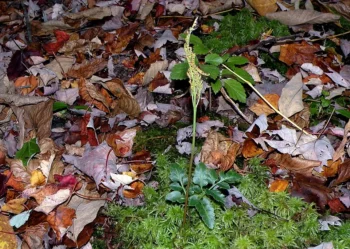
The bluntlobe grapefern is a perennial fern that breaks all the rules of what we typically expect ferns to look like. Instead of the classic feathery fronds, this little character produces two distinct parts: a sterile leaf that’s triangular and divided into blunt lobes (hence the name), and a separate fertile spike that bears spore cases resembling tiny grapes.
Unlike most ferns that form clumps or colonies, bluntlobe grapeferns are solitary creatures, usually appearing as single plants that emerge from underground in late summer or early fall. They’re part of the moonwort family, and like their relatives, they have a mysterious, almost magical quality that has captivated botanists for generations.
Where You Might Find It
This native North American fern has quite an impressive range, naturally occurring across much of the eastern United States and southeastern Canada. You can find it from the Maritime provinces of Canada down through states like Maine, New York, Pennsylvania, and as far south as North Carolina and Tennessee. It also extends westward into states like Minnesota, Wisconsin, and Illinois.
- Species observed
- No observations
A Word of Caution: Rarity Matters
Here’s where things get serious: bluntlobe grapefern is becoming increasingly rare. In New Jersey, for example, it’s listed as S2, meaning it’s imperiled in the state with only a few known populations. This rarity status should give us all pause.
If you’re lucky enough to spot one of these ferns in the wild, please resist the urge to dig it up or disturb it. These plants are notoriously difficult to transplant and cultivate, and removing them from their natural habitat can harm already vulnerable populations.
Habitat and Growing Conditions
Bluntlobe grapeferns are picky about their living conditions, which partly explains their rarity. They typically grow in:
- Rich, moist woodland soils
- Partial to full shade conditions
- Areas with consistent moisture but good drainage
- Mixed deciduous or mixed deciduous-coniferous forests
- Sometimes in more open areas like meadows or field edges
The wetland status for this species is facultative, meaning it can tolerate both wetland and non-wetland conditions, though it generally prefers consistently moist (but not waterlogged) soils.
Why Not Grow It in Your Garden?
While it might be tempting to try cultivating this unique fern, there are several compelling reasons to admire it from afar instead:
- Conservation concerns: With its declining populations, every wild plant matters
- Cultivation challenges: These ferns have complex relationships with soil fungi that are nearly impossible to replicate in garden settings
- Low availability: Responsibly sourced plants are extremely rare in the nursery trade
- Unpredictable nature: Even in ideal conditions, these ferns can disappear for years before re-emerging
Supporting Conservation Instead
Rather than trying to grow bluntlobe grapefern, consider these more conservation-friendly approaches:
- Support local native plant societies and botanical conservation efforts
- Participate in citizen science projects that monitor rare plant populations
- Create woodland gardens using more common native ferns like Christmas fern or lady fern
- Protect and restore woodland habitats where these rare ferns might naturally occur
The Bottom Line
Bluntlobe grapefern represents one of nature’s more enigmatic creations – a plant that challenges our expectations and reminds us that not everything in the natural world is meant for our gardens. Sometimes the greatest gift we can give a plant is simply letting it be wild.
If you’re passionate about native ferns, there are plenty of other wonderful species that are better suited for cultivation and won’t put additional pressure on rare populations. Save your gardening energy for those more common natives, and save your sense of wonder for those magical moments when you encounter a bluntlobe grapefern thriving in its natural woodland home.