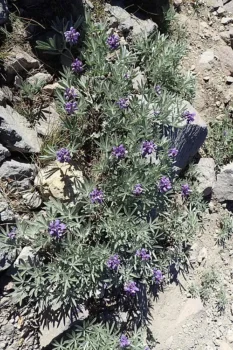
Bluntlobe Lupine: A Hidden Gem for Western Native Plant Gardens
If you’re looking to add a splash of purple to your native plant garden while supporting local ecosystems, bluntlobe lupine (Lupinus obtusilobus) might just be the perfect addition. This charming perennial forb brings both beauty and ecological benefits to gardens across California and Nevada, though it remains one of the lesser-known members of the beloved lupine family.
What Is Bluntlobe Lupine?
Bluntlobe lupine is a native perennial forb that belongs to the pea family (Fabaceae). As a forb, it’s an herbaceous plant without woody stems, featuring the classic lupine characteristics we all love – those distinctive palmately compound leaves and tall spikes of colorful flowers. The bluntlobe part of its name refers to the rounded tips of its leaflets, which help distinguish it from other lupine species.
This species is sometimes known by the synonym Lupinus ornatus var. obtusilobus, reflecting its close relationship to the ornate lupine.
Where Does It Grow Naturally?
Bluntlobe lupine is native to the western United States, specifically found in California and Nevada. This relatively limited geographic distribution makes it a special addition to gardens within its native range, as you’ll be growing a plant that truly belongs in your local ecosystem.
- Species observed
- No observations
Why Consider Bluntlobe Lupine for Your Garden?
There are several compelling reasons to include this native beauty in your landscape:
- Pollinator magnet: Like other lupines, bluntlobe lupine produces nectar-rich flowers that attract bees, butterflies, and other beneficial pollinators
- Nitrogen fixer: As a legume, it forms partnerships with soil bacteria to convert atmospheric nitrogen into forms plants can use, naturally enriching your soil
- Low maintenance: Once established, this drought-tolerant perennial requires minimal care
- Seasonal interest: Provides beautiful purple-blue flower spikes during its blooming period
- Authentic native character: Adds genuine regional character to native plant gardens and naturalized landscapes
Important Conservation Note
Before rushing to plant bluntlobe lupine, it’s important to know that this species has an uncertain conservation status. While not officially listed as rare, its limited geographic range and relatively uncommon occurrence suggest it may need our attention. If you decide to grow this lupine, please ensure you source seeds or plants from reputable native plant nurseries that practice ethical collection methods. Never collect seeds or plants from wild populations.
Growing Conditions and Care
Bluntlobe lupine thrives in conditions similar to its natural habitat:
- Sunlight: Full sun to partial shade
- Soil: Well-draining soils; avoid heavy clay or constantly moist conditions
- Water: Drought-tolerant once established, but benefits from occasional deep watering during dry spells
- Climate: Suitable for USDA hardiness zones 7-10, matching its native California and Nevada range
Planting and Establishment Tips
Getting bluntlobe lupine started in your garden requires a bit of patience and the right approach:
- Seed treatment: Lupine seeds have hard coats that benefit from scarification (lightly scratching the seed surface) to improve germination
- Timing: Plant seeds in fall to allow natural winter stratification
- Soil preparation: Ensure excellent drainage – lupines hate wet feet
- Spacing: Give plants adequate room to develop their natural form
- Patience: Like many native perennials, bluntlobe lupine may take a season or two to become fully established
Garden Design Ideas
Bluntlobe lupine works beautifully in several garden settings:
- Native plant gardens: Pair with other California and Nevada natives for an authentic regional landscape
- Wildflower meadows: Include in naturalized plantings for a more wild, spontaneous look
- Xeric gardens: Perfect for low-water landscapes once established
- Pollinator gardens: Combine with other flowering natives to create a pollinator paradise
The Bottom Line
Bluntlobe lupine offers gardeners in California and Nevada a wonderful opportunity to grow a truly local native plant while supporting regional wildlife and pollinators. While its uncertain conservation status means we should approach it with respect and responsibility, this lovely lupine deserves consideration for gardens seeking authentic native character and ecological value. Just remember to source your plants ethically and give them the well-draining conditions they crave!