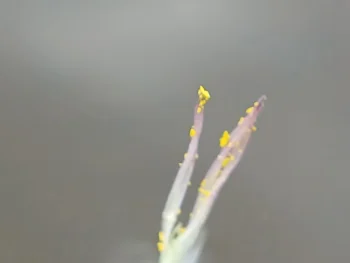
Blyxa: A Delicate Aquatic Plant for Water Gardens
If you’ve been dreaming of adding some underwater magic to your garden, you might have stumbled across blyxa in your research. This grass-like aquatic plant has been making waves (pun intended!) in water gardening circles, but is it the right choice for your backyard oasis?
What Exactly Is Blyxa?
Blyxa is a genus of small, delicate aquatic plants that belong to the monocot family. These annual plants have a grass-like appearance with fine, narrow leaves that create a soft, feathery texture underwater or at the water’s surface. Don’t expect towering drama from these little guys – they’re all about subtle, gentle beauty.
Native Status and Distribution
Here’s where things get interesting: blyxa isn’t native to most of the United States. It’s actually a non-native species that has been introduced and now reproduces on its own in the wild. Originally native to the Pacific Basin (excluding Hawaii), you can currently find established populations in Louisiana and Palau.
- Species observed
- No observations
Should You Plant Blyxa in Your Garden?
The short answer? It depends on what you’re looking for and where you live. Since blyxa is non-native and we don’t have complete information about its invasive potential, it’s worth proceeding with caution.
The Case for Blyxa
- Adds delicate texture to water features
- Annual growth habit means it won’t become permanently established
- Creates interesting underwater landscapes in aquatic gardens
- Relatively low-maintenance once established in proper conditions
The Case Against Blyxa
- Non-native status means it doesn’t support local ecosystems
- Limited information about long-term environmental impacts
- Annual nature means replanting each year
- Requires specific aquatic growing conditions
Growing Conditions and Care
If you do decide to give blyxa a try, here’s what you need to know about keeping it happy:
Blyxa is strictly an aquatic plant, so you’ll need a water garden, pond, or other aquatic feature. It thrives in warm water conditions and is best suited for USDA hardiness zones 9-11. In cooler climates, you might need to treat it as a seasonal addition to heated water features or bring containers indoors during winter.
The plant prefers submerged or emergent growing conditions – think of it as wanting its feet wet at all times. Water temperature, light levels, and nutrient availability all play crucial roles in its success.
Native Alternatives to Consider
Before you commit to blyxa, consider these native aquatic alternatives that will better support your local ecosystem:
- Native sedges and rushes for emergent areas
- Regional water lilies for floating coverage
- Local submerged aquatic plants native to your specific region
- Native grasses that can tolerate wet conditions around pond edges
The Bottom Line
Blyxa can add delicate beauty to aquatic gardens, but its non-native status and annual nature make it a plant to approach thoughtfully. If you’re passionate about supporting local wildlife and ecosystems, native alternatives will give you more bang for your buck. However, if you’re set on trying blyxa and can provide the right aquatic conditions, it’s not currently flagged as invasive – just remember that native plants are almost always the more ecological choice.
Whatever you decide, make sure you’re prepared for the specific needs of aquatic gardening. Water plants are a whole different ballgame from traditional terrestrial gardening, but the results can be absolutely magical!