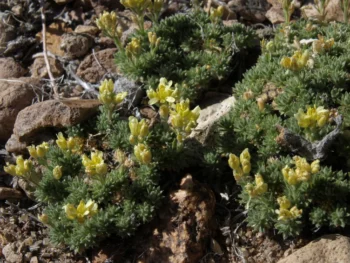
Bodie Hills Cusickiella: A Rare Alpine Gem for Specialized Native Gardens
Tucked away in the high-elevation landscapes of California and Nevada lives one of North America’s rarest wildflowers: the Bodie Hills cusickiella (Cusickiella quadricostata). This tiny member of the mustard family might not make headlines like other wildflowers, but for native plant enthusiasts and conservation-minded gardeners, it represents something truly special – a living piece of our continent’s botanical heritage hanging on in some of the most remote corners of the Sierra Nevada.
What Makes This Plant So Special?
The Bodie Hills cusickiella isn’t your typical garden center find, and there’s a very good reason for that. This perennial forb carries an S2 conservation status, meaning it’s considered imperiled with only 6 to 20 known populations and an estimated 1,000 to 3,000 individual plants remaining in the wild. That makes it rarer than many animals we consider endangered!
Originally classified as Draba quadricostata, this small herbaceous plant belongs to the Brassicaceae (mustard) family. Like its relatives, it produces small white flowers with four petals, but unlike the weedy mustards you might know, this one has adapted to survive in some pretty harsh conditions.
Where Does It Call Home?
As its common name suggests, the Bodie Hills cusickiella is native to the Bodie Hills region, straddling the California-Nevada border in the eastern Sierra Nevada. This high-elevation specialist thrives in the kind of landscape that takes your breath away – literally and figuratively – with its thin air and stunning mountain vistas.
- Species observed
- No observations
Should You Grow Bodie Hills Cusickiella?
Here’s where things get interesting, and honestly, a bit complicated. While this native plant would be a incredible addition to the right garden, its rarity status means we need to approach it with extra care and respect.
The conservation angle: If you’re passionate about preserving rare native species and have the specialized growing conditions this plant needs, cultivating Bodie Hills cusickiella could contribute to conservation efforts. However – and this is a big however – you should only obtain plants or seeds from reputable native plant societies or conservation organizations that source their material responsibly.
The practical angle: This isn’t a plant for everyone. It’s adapted to high-elevation conditions that are challenging to replicate in most home gardens. Think cold winters, short growing seasons, intense UV light, and excellent drainage.
Growing Conditions and Care
If you’re still reading and thinking challenge accepted, here’s what the Bodie Hills cusickiella needs to thrive:
- Climate: Cold-hardy perennial suited for USDA zones 4-6
- Elevation: Naturally grows at high elevations with cool summers and frigid winters
- Soil: Excellent drainage is absolutely critical – think rocky, gravelly, or sandy soils
- Light: Full sun to partial shade
- Water: Low to moderate water needs; avoid overwatering
Garden Design Ideas
This low-growing forb works best in:
- Rock gardens with excellent drainage
- Alpine garden collections
- Specialized native plant displays
- Conservation gardens focused on rare species
- Educational landscapes highlighting regional biodiversity
Supporting Pollinators and Wildlife
While specific pollinator relationships for this rare species aren’t well-documented, plants in the mustard family typically support various small native bees, beetles, and other insects. In its natural habitat, it likely plays a role in supporting high-elevation pollinator communities that are specially adapted to harsh mountain conditions.
The Bottom Line
The Bodie Hills cusickiella represents something precious in our natural world – a plant that has found its perfect niche in one of North America’s most spectacular but unforgiving landscapes. While it’s not the right choice for most gardens, for dedicated native plant growers with the right conditions and conservation mindset, it offers a chance to participate in preserving a truly rare piece of our botanical heritage.
If growing this species seems too challenging (and honestly, it probably is for most of us), consider supporting conservation efforts in the Sierra Nevada region or growing other native plants from your local area. Every native plant we grow helps support the complex web of life that makes places like the Bodie Hills so special.
Remember: if you do decide to grow this rare beauty, please source it responsibly through conservation organizations or specialized native plant groups. Our wild populations are too precious to disturb, and this little survivor deserves our respect and protection.