Bodywood: A Hidden Gem for Coastal Native Gardens
If you’re looking for a tough-as-nails native shrub that can handle whatever Mother Nature throws at it, let me introduce you to bodywood (Bourreria succulenta). This unassuming beauty might not be the flashiest plant in the garden center, but it’s exactly the kind of reliable, eco-friendly performer that smart gardeners are seeking out these days.
What Makes Bodywood Special?
Bodywood is a true American native, naturally found in the tropical and subtropical regions of Florida, Puerto Rico, the U.S. Virgin Islands, and even the remote Navassa Island. As a perennial shrub, this hardy plant typically grows as a multi-stemmed woody specimen, usually staying under 13-16 feet tall, though it can occasionally surprise you by growing taller or developing a single trunk under the right conditions.
You might also see this plant listed under its botanical synonyms Bourreria domingensis or Bourreria ovata in older gardening references, but Bourreria succulenta is the accepted name today.
- Species observed
- No observations
Why Your Garden (and Local Wildlife) Will Love It
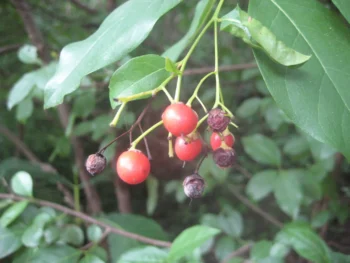
Here’s where bodywood really shines: it’s a multitasker that brings both beauty and ecological benefits to your landscape. The plant produces clusters of small, fragrant white flowers that are absolute magnets for pollinators like bees and butterflies. After the blooms fade, you’ll be treated to attractive orange-red berries that provide food for local birds.
The glossy green foliage provides year-round structure and interest, making bodywood an excellent choice for:
- Coastal landscapes where salt tolerance is crucial
- Native plant gardens focused on supporting local ecosystems
- Xerophytic gardens designed for water conservation
- Specimen plantings where you want a reliable, low-maintenance focal point
Growing Bodywood Successfully
One of bodywood’s best qualities is its easygoing nature. This shrub is perfectly suited for USDA hardiness zones 10-11, which means it’s ideal for gardeners in South Florida, Hawaii, and similar tropical/subtropical climates.
Ideal Growing Conditions
Bodywood isn’t picky, but it does have some preferences:
- Light: Full sun to partial shade (though it flowers best with plenty of sunlight)
- Soil: Well-draining soil is essential – this plant doesn’t like wet feet
- Water: Drought tolerant once established, making it perfect for low-water landscapes
- Salt exposure: Excellent salt tolerance makes it ideal for coastal properties
Planting and Care Tips
Getting bodywood established is refreshingly straightforward. Plant it in spring after any danger of frost has passed, giving it enough space to reach its mature size. While young plants appreciate regular watering to get established, mature bodywood is remarkably drought tolerant.
Maintenance is minimal – a light pruning after flowering can help maintain shape, but this plant is generally happy to do its own thing. The biggest mistake most gardeners make is overwatering or planting in poorly draining soil.
The Bottom Line
If you’re gardening in zones 10-11 and want a native plant that delivers beauty, supports local wildlife, and won’t demand constant attention, bodywood deserves a spot on your wish list. It’s especially valuable for coastal gardeners who need plants that can handle salt spray and sandy soils.
While bodywood might not be the showiest plant in your garden, it’s the kind of steady, reliable performer that forms the backbone of successful native landscapes. Plus, there’s something deeply satisfying about growing a plant that truly belongs in your local ecosystem – your neighborhood pollinators and birds will definitely thank you for it.