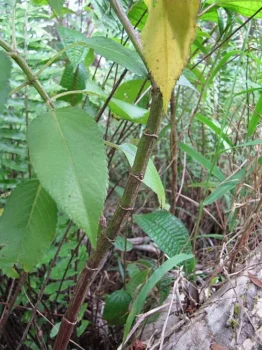
Bog Beggarticks: A Rare Hawaiian Native Worth Protecting
If you’re passionate about native Hawaiian plants and conservation gardening, you may have heard whispers about bog beggarticks (Bidens conjuncta). This little-known perennial shrub holds a special place in Hawaii’s botanical heritage, though sadly, it’s becoming increasingly difficult to find in the wild.
What Makes Bog Beggarticks Special?
Bog beggarticks is a charming low-growing perennial shrub that typically stays under 1.5 feet tall, never exceeding 3 feet at maturity. Like other members of the Bidens family, it produces small, cheerful yellow daisy-like flowers that add a splash of sunshine to wetland areas. Don’t let its modest size fool you – this little plant packs a big conservation punch.
Where You’ll Find This Hawaiian Endemic
Bidens conjuncta is endemic to Hawaii, meaning it exists nowhere else on Earth. This makes it incredibly special, but also incredibly vulnerable. The plant naturally grows throughout the Hawaiian Islands, where it has adapted to the unique tropical climate and island conditions over thousands of years.
- Species observed
- No observations
A Plant in Crisis
Here’s where things get serious: bog beggarticks is critically endangered. With a Global Conservation Status of S1 and listed as Endangered in the United States, this species is hanging on by a thread. Typically, this status means there are only 5 or fewer occurrences in the wild, with very few remaining individuals (fewer than 1,000). Every single plant matters for the survival of this species.
Should You Plant Bog Beggarticks?
The short answer is: only if you’re committed to conservation and can source plants responsibly. Given its endangered status, bog beggarticks should never be collected from the wild. If you’re interested in growing this rare beauty, you’ll need to:
- Source plants or seeds only from reputable native plant nurseries or conservation programs
- Verify that any material has been ethically propagated, not wild-collected
- Consider participating in official conservation or restoration programs
- Commit to proper care to ensure your plants thrive
Creating the Right Growing Conditions
As its common name suggests, bog beggarticks has a strong affinity for wetland conditions. In Hawaii, it has a Facultative Wetland status, meaning it usually occurs in wetlands but may occasionally pop up in drier areas. For successful cultivation, you’ll want to:
- Provide consistently moist to wet soil conditions
- Ensure good drainage despite the moisture requirements
- Offer partial shade to full sun (typical of Hawaiian wetland edges)
- Maintain warm temperatures year-round (USDA zones 10-12)
Garden Design and Landscape Role
If you’re fortunate enough to grow bog beggarticks, it works beautifully in:
- Native Hawaiian plant gardens
- Wetland restoration projects
- Rain gardens or bioswales
- Conservation collections
- Educational gardens focused on rare species
Its low-growing habit makes it perfect for foreground plantings or as groundcover in appropriate wet areas. The small yellow flowers likely attract native Hawaiian pollinators and beneficial insects, supporting the broader ecosystem.
The Conservation Connection
Growing bog beggarticks isn’t just about having a unique plant in your garden – it’s about participating in species conservation. Every responsibly grown plant represents hope for this species’ future. Consider connecting with local native plant societies, botanical gardens, or conservation organizations that might have propagation programs.
A Final Thought
Bog beggarticks represents both the beauty and fragility of Hawaii’s native flora. While it may not be the easiest plant to acquire or grow, for dedicated conservation gardeners, it offers the chance to nurture one of Hawaii’s rarest botanical treasures. If you choose to take on this responsibility, you’ll be joining a small but important group of people working to ensure this species has a future.
Remember: with great rarity comes great responsibility. Only grow bog beggarticks if you’re prepared to be a true steward of this endangered species.