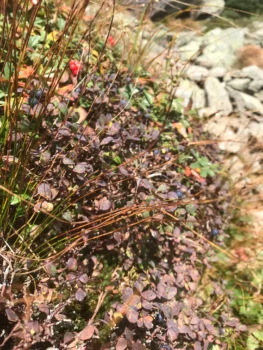
Bog Blueberry: A Hardy Native Shrub for Cool Climate Gardens
If you’re looking for a tough-as-nails native shrub that delivers both beauty and bounty, let me introduce you to the bog blueberry (Vaccinium uliginosum). This unsung hero of the northern wilderness might just be the perfect addition to your cool climate garden, especially if you’re tired of plants that throw tantrums at the first sign of frost.
What Makes Bog Blueberry Special?
Bog blueberry is a perennial shrub that typically reaches about 2 feet in height and width, making it a perfect choice for those who want impact without overwhelming their space. This multi-stemmed woody plant grows at a moderate pace, so you won’t be waiting decades to see results, but you also won’t need to grab your pruning shears every weekend.
What really sets this plant apart is its incredible hardiness. We’re talking about a shrub that can handle temperatures as low as -38°F – that’s the kind of cold that makes your car refuse to start and your coffee freeze before you can drink it!
Where Does It Call Home?
This remarkable shrub is truly a North American native, naturally occurring across Alaska, Canada (including all provinces and territories), and extending south into many northern U.S. states including California, Idaho, Maine, Michigan, Minnesota, Montana, Nevada, New Hampshire, New York, Oregon, Utah, Vermont, Washington, and Wyoming. It’s also found in Greenland and St. Pierre and Miquelon.
- Species observed
- No observations
A Feast for the Eyes (and the Belly)
Bog blueberry offers seasonal interest that keeps on giving. In early summer, the shrub produces small, bell-shaped flowers in shades of purple that are quite conspicuous and beloved by pollinators – especially bees who seem to throw little parties around the blooms. Come summer’s end, these flowers transform into blue berries that are not only beautiful but also edible (though they’re often described as less flavorful than their cultivated cousins).
The dark green foliage provides a lovely backdrop throughout the growing season, and the plant’s semi-erect, multiple-stem growth form creates an attractive, natural-looking silhouette in the landscape.
Perfect Garden Roles
This versatile native works beautifully in several garden settings:
- Woodland gardens where it can mimic its natural understory habitat
- Bog gardens or other moisture-loving plant communities
- Wildlife gardens where its berries feed birds and other creatures
- Naturalized landscapes that celebrate native plant communities
- Edible landscapes for adventurous gardeners
Growing Conditions: What Bog Blueberry Craves
Here’s where bog blueberry shows its particular personality. This plant is fairly specific about what it likes, but once you give it the right conditions, it’s remarkably low-maintenance.
Soil Requirements:
- Acidic soil is non-negotiable (pH between 4.5-5.7)
- Medium-textured soils work best
- Consistently moist but not waterlogged conditions
- Good organic content helps retain moisture
Light and Climate:
- Intermediate shade tolerance means it can handle partial shade to full sun
- Thrives in USDA hardiness zones 2-6
- Needs at least 90 frost-free days
- Moderate moisture requirements (18-45 inches of precipitation annually)
Wetland Flexibility
One of bog blueberry’s most appealing traits is its wetland adaptability. Depending on your region, it ranges from facultative (can grow in wet or dry areas) to facultative wetland (prefers wet but tolerates dry). This makes it an excellent choice for those tricky spots in your garden where water tends to collect, or for rain gardens and bioswales.
Planting and Care Tips
Getting Started:
- Plant in spring after the last frost
- Space plants about 3-4 feet apart (roughly 2,700-4,800 plants per acre for large installations)
- Seeds require cold stratification, so fall sowing works well
- Container plants and bare root plants are both viable options
Ongoing Care:
- Mulch around plants to maintain soil moisture and acidity
- Low fertility requirements mean you can skip the heavy fertilizing
- Minimal pruning needed thanks to its naturally attractive growth habit
- Good resprout ability means it can recover from damage
- Drought tolerance is low, so consistent moisture is key
Wildlife and Pollinator Benefits
While the specific wildlife benefits weren’t detailed in our research, bog blueberry’s berries are known to be an important food source for various bird species, small mammals, and other wildlife. The early summer blooms provide nectar for native bees and other pollinators during a crucial time in their lifecycle.
Should You Plant Bog Blueberry?
If you garden in zones 2-6 and can provide acidic, consistently moist soil, bog blueberry is definitely worth considering. It’s particularly valuable if you’re working on:
- Native plant gardens that support local ecosystems
- Areas with challenging moisture conditions
- Wildlife habitat projects
- Low-maintenance landscapes that still offer seasonal interest
The main consideration is whether you can meet its specific soil and moisture requirements. If your soil is alkaline or you’re in a consistently dry climate, you might want to look for other native options that better match your conditions.
For northern gardeners looking to embrace native plants while creating habitat for wildlife, bog blueberry offers a perfect combination of hardiness, beauty, and ecological value. Plus, there’s something deeply satisfying about growing a plant that’s been thriving in North American landscapes for thousands of years – it’s like welcoming an old friend into your garden.