Bog Chickweed: A Tiny Native Treasure for Wet Spots
If you’ve got a soggy spot in your yard that makes you scratch your head wondering what to plant, let me introduce you to bog chickweed (Stellaria alsine). This little native charmer might just be the perfect solution for those persistently wet areas where other plants fear to tread.
What Is Bog Chickweed?
Bog chickweed is a delicate annual forb that belongs to the carnation family. Don’t let the chickweed name fool you into thinking it’s a weedy nuisance – this native beauty serves an important ecological role. As a forb, it’s a non-woody plant that completes its life cycle in just one growing season, but don’t worry about replanting every year – it’s quite good at reseeding itself.
You might also see this plant listed under its synonyms Alsine uliginosa or Stellaria uliginosa in older gardening references, but they’re all the same helpful little plant.
Where Does Bog Chickweed Call Home?
This adaptable native has quite an impressive range! Bog chickweed is native throughout Canada and the lower 48 states, making it a truly continental species. You’ll find it growing naturally from British Columbia to Newfoundland, and from Florida up to Maine, with populations scattered across the Midwest and western states including Oregon and Washington.
- Species observed
- No observations
Why Your Wet Garden Needs Bog Chickweed
Here’s where bog chickweed really shines – it’s what botanists call an obligate wetland plant in most regions. This means it almost always occurs in wetlands and thrives in conditions that would drown most garden plants. If you have:
- A rain garden that stays soggy
- A low spot that collects water
- Consistently moist soil near downspouts
- A naturalized wetland area
Then bog chickweed could be your new best friend! It forms delicate, low-growing mats that help stabilize soil and prevent erosion in wet areas.
What Does It Look Like?
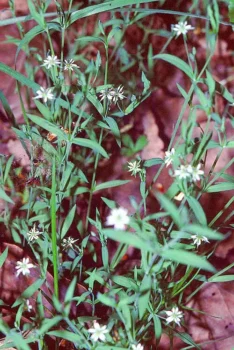
Bog chickweed won’t win any prizes for showiness, but its subtle beauty has its own charm. The plant produces tiny white, star-shaped flowers that seem to float above small, oval leaves. It stays quite low to the ground, creating a fine-textured carpet effect. The delicate flowers attract small beneficial insects, adding to your garden’s biodiversity.
Growing Bog Chickweed Successfully
The best part about bog chickweed? It’s remarkably easy to grow if you can meet its one key requirement: consistently moist to wet soil. Here’s what this little native needs:
Light: Full sun to partial shade – it’s quite flexible
Soil: Wet, soggy, or consistently moist conditions
Hardiness: Zones 3-8, making it suitable for most of North America
Care: Practically none! Once established, it takes care of itself
Planting and Care Tips
Since bog chickweed is an annual that readily self-seeds, your main job is getting it established in the right spot. Here are some tips for success:
- Scatter seeds in late fall or early spring in wet areas
- No need to cover seeds deeply – they prefer surface sowing
- Keep the area consistently moist (which shouldn’t be hard in a naturally wet spot!)
- Allow plants to go to seed for natural reproduction
- Avoid fertilizing – it prefers lean, wet soils
Is Bog Chickweed Right for Your Garden?
Bog chickweed is perfect for gardeners who want to work with nature rather than against it. If you’ve been fighting a losing battle trying to dry out a wet spot, why not embrace it instead? This native plant will help you create a naturalized wet area that supports local wildlife while requiring virtually no maintenance.
However, if you’re looking for a showy display plant or need something for dry conditions, bog chickweed probably isn’t your best choice. Its subtle beauty and specific habitat requirements make it ideal for naturalistic plantings rather than formal garden beds.
Consider bog chickweed as part of a larger wetland garden, paired with other moisture-loving natives like cardinal flower, monkey flower, or native sedges. Together, they’ll create a thriving ecosystem in your own backyard – and you’ll never have to worry about that soggy spot again!