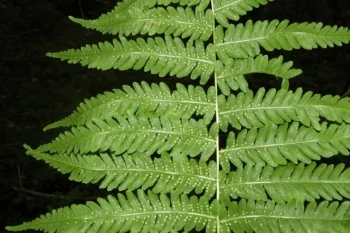
Bog Fern: A Delicate Native Beauty for Your Shade Garden
If you’ve ever wandered through a misty woodland or explored the edges of a wetland, you might have encountered the graceful bog fern (Thelypteris simulata) without even realizing it. This charming native fern brings an understated elegance to shaded gardens while supporting local ecosystems in ways that many gardeners overlook.
What Is Bog Fern?
Bog fern is a perennial fern native to eastern North America, naturally occurring from southeastern Canada down to Alabama and Tennessee. Despite its classification as a forb in botanical databases, this delicate plant is unmistakably a true fern, complete with the lacy, feathery fronds that make ferns so beloved by gardeners.
You might also see this plant listed under its former scientific names, including Dryopteris simulata or Parathelypteris simulata, but Thelypteris simulata is the currently accepted botanical name.
Where Does Bog Fern Grow Naturally?
This adaptable native has quite an impressive range! You’ll find bog fern thriving across much of eastern North America, including Alabama, New Brunswick, Nova Scotia, Ontario, Connecticut, Quebec, Delaware, District of Columbia, Maine, Maryland, Massachusetts, New Hampshire, New Jersey, New York, North Carolina, Pennsylvania, Rhode Island, Tennessee, Vermont, Virginia, West Virginia, and Wisconsin.
- Species observed
- No observations
Why Consider Bog Fern for Your Garden?
There are several compelling reasons to welcome bog fern into your landscape:
- Native plant benefits: As a true native, it supports local wildlife and fits naturally into regional ecosystems
- Low maintenance: Once established, it requires minimal care beyond consistent moisture
- Versatile beauty: Its delicate, bright green fronds add soft texture and movement to shaded areas
- Natural problem solver: Perfect for those tricky wet, shady spots where other plants struggle
Perfect Garden Companions
Bog fern shines in several garden settings:
- Woodland gardens alongside native wildflowers and other ferns
- Bog gardens and rain gardens where its love of moisture is an asset
- Shade gardens as a graceful ground cover
- Naturalized areas where you want a wild, untamed look
Growing Conditions and Care
The key to success with bog fern lies in understanding its natural habitat preferences. This plant is happiest in consistently moist to wet soils and partial to full shade conditions. It thrives in USDA hardiness zones 3-8, making it suitable for most temperate climates.
Here’s what bog fern needs to flourish:
- Moisture: Keep soil consistently moist; it can handle wet conditions better than drought
- Shade: Partial to full shade is ideal; morning sun is tolerable if afternoon shade is provided
- Soil: Prefers acidic to neutral pH; rich, organic matter improves growth
- Mulching: Apply organic mulch to retain moisture and suppress weeds
Understanding Its Wetland Nature
One fascinating aspect of bog fern is how its relationship with water varies by region. In coastal areas, it’s considered an obligate wetland plant, meaning it almost always occurs in wetlands. However, in mountainous and northern regions, it’s more flexible, classified as facultative wetland, meaning it usually prefers wet conditions but can adapt to drier sites.
This adaptability makes bog fern particularly valuable for gardeners dealing with varying moisture conditions throughout the seasons.
Planting and Maintenance Tips
Getting started with bog fern is refreshingly straightforward:
- Best planting time: Spring, after the last frost
- Spacing: Allow 18-24 inches between plants for mature spread
- Watering: Water regularly during dry spells; never let soil dry out completely
- Division: Divide established clumps every 3-4 years in early spring to maintain vigor
- Winter care: Cut back dead fronds in late winter before new growth emerges
A Note About Wildlife
While bog fern doesn’t produce flowers to attract pollinators like bees and butterflies, it still plays an important role in the ecosystem. Its dense growth provides shelter for small wildlife, and as a native plant, it supports the complex web of insects and other creatures that have evolved alongside it over thousands of years.
Is Bog Fern Right for Your Garden?
Bog fern is an excellent choice if you have shaded, moist areas that need gentle coverage, or if you’re creating a native plant garden that celebrates your local ecosystem. It’s particularly valuable for gardeners who want to support native wildlife while enjoying a low-maintenance, naturally beautiful landscape.
However, if you’re looking for dramatic height, bold colors, or plants for sunny, dry conditions, you might want to consider other options. Bog fern’s beauty lies in its subtle, understated charm rather than showy displays.
With its delicate fronds dancing in the breeze and its important role in native ecosystems, bog fern proves that sometimes the most beautiful additions to our gardens are the ones that whisper rather than shout.