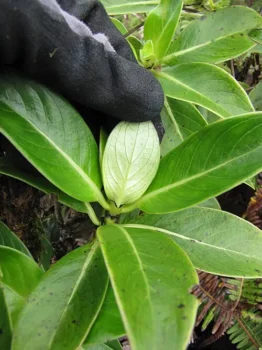
Bog Labordia: A Rare Hawaiian Native Worth Protecting in Your Garden
Meet bog labordia (Labordia hedyosmifolia), one of Hawaii’s most intriguing native shrubs that’s as rare as it is beautiful. Also known by its Hawaiian name kamakahala, this perennial beauty has captured the hearts of native plant enthusiasts across the islands. But before you rush to add it to your garden wishlist, there’s something important you should know about this special plant.
A True Hawaiian Native
Bog labordia is endemic to Hawaii, meaning it exists nowhere else on Earth. This remarkable shrub has evolved specifically for Hawaiian ecosystems and represents millions of years of unique island evolution. As a facultative wetland plant, it’s equally at home in moist areas and well-draining sites, making it quite the adaptable native.
You’ll find bog labordia growing naturally throughout Hawaii, where it plays an important role in native ecosystems.
- Species observed
- No observations
Why This Plant Deserves Special Consideration
Here’s where things get serious: bog labordia has a Global Conservation Status of S3, meaning it’s considered vulnerable. With only 21 to 100 known occurrences and an estimated 3,000 to 10,000 individuals remaining in the wild, this isn’t your everyday garden center find. If you’re considering adding this beauty to your landscape, responsible sourcing is absolutely critical.
What Makes Bog Labordia Special
This charming shrub typically grows as a multi-stemmed woody plant, usually staying under 13 to 16 feet tall. Its glossy green leaves and delicate white to cream-colored tubular flowers create an understated elegance that’s perfect for native Hawaiian gardens. The blooms attract native Hawaiian insects and potentially native birds, making it a valuable addition to pollinator-friendly landscapes.
Garden Design and Landscape Role
Bog labordia shines as an understory shrub in native Hawaiian gardens and restoration projects. It’s particularly well-suited for:
- Shade gardens and partial shade areas
- Native plant restoration projects
- Rain gardens and moist landscape areas
- Mixed native shrub borders
- Wildlife habitat gardens
Growing Conditions and Care
If you’re fortunate enough to source bog labordia responsibly, here’s what this Hawaiian native needs to thrive:
Climate: USDA hardiness zones 10-12 (tropical and subtropical climates)
Light: Partial shade to full shade – it naturally grows as an understory plant
Soil: Moist, well-draining soil that doesn’t become waterlogged
Water: Consistent moisture is key, but avoid soggy conditions
Protection: Shield from strong winds and harsh direct sunlight
Planting and Care Tips
Successfully growing bog labordia requires patience and attention to its native habitat preferences:
- Plant in a protected location with dappled sunlight
- Maintain consistent soil moisture without waterlogging
- Mulch around the base to retain moisture and suppress weeds
- Avoid fertilizers – native Hawaiian plants typically don’t need them
- Be patient with establishment – native plants often take time to settle in
- Protect from slugs and snails, which can damage young plants
A Word About Responsible Gardening
Given bog labordia’s vulnerable status, it’s crucial to source plants only from reputable native plant nurseries that propagate from legally and ethically obtained material. Never collect from wild populations. If you can’t find responsibly sourced plants, consider supporting conservation efforts instead or choosing other native Hawaiian shrubs for your garden.
The Bottom Line
Bog labordia is a remarkable native Hawaiian shrub that deserves our protection and appreciation. While its vulnerable status means it requires responsible sourcing and careful consideration, it can be a meaningful addition to native gardens in appropriate climates. By choosing to grow this rare beauty responsibly, you’re not just adding a unique plant to your landscape – you’re participating in the conservation of Hawaii’s irreplaceable native flora.
Remember: every native plant we grow responsibly is a small victory for biodiversity and a connection to the incredible evolutionary story of the Hawaiian Islands.