Bog Laurel: A Hidden Gem for Wetland Gardens
If you’ve ever wondered what that charming little evergreen shrub with delicate pink flowers is doing in boggy areas, you’ve likely encountered bog laurel (Kalmia polifolia). This native North American beauty might be small in stature, but it packs a punch when it comes to adding year-round interest to specialized garden spaces.
What Is Bog Laurel?
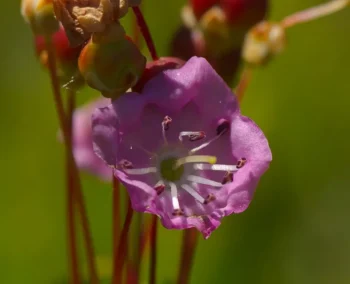
Bog laurel is a perennial, multi-stemmed woody shrub that typically stays quite compact, reaching only about 1 foot in height at maturity. Don’t let its diminutive size fool you – this slow-growing plant is built to last, with a long lifespan that makes it a worthwhile investment for patient gardeners. Its evergreen foliage consists of narrow, leathery leaves that maintain their dark green color throughout the year, while spring brings clusters of conspicuous purple to pink bell-shaped flowers that add a delightful pop of color to wet areas.
Where Bog Laurel Calls Home
This hardy native has an impressive geographic distribution, spanning across Canada from Alberta to Newfoundland, and extending into the northern United States. You’ll find it naturally occurring in states from Maine to Minnesota, and as far south as New Jersey and Pennsylvania. It’s truly a plant of the northern regions, thriving in USDA hardiness zones 2-6.
- Species observed
- No observations
Important note for New Jersey gardeners: Bog laurel is listed as endangered in New Jersey with a rarity status of S1. If you’re in the Garden State and want to grow this beauty, make sure you source it responsibly from reputable nurseries that propagate their own plants rather than collecting from wild populations.
Why Your Wetland Garden Needs Bog Laurel
Here’s where bog laurel really shines – it’s an obligate wetland plant, meaning it almost always occurs in wetlands. This makes it perfect for:
- Bog gardens and rain gardens
- Naturalized wetland areas
- Acidic woodland edges
- Areas with consistently moist soil
Its decumbent (low-spreading) growth form makes it an excellent ground cover for wet areas where many other plants would struggle. The late spring blooms attract pollinators like bees, adding ecological value to your garden while providing nectar when many other flowers aren’t yet available.
Growing Bog Laurel Successfully
The key to happy bog laurel is understanding its specific needs. This isn’t a plant for dry, sunny borders – it’s all about the wetland life!
Ideal Growing Conditions:
- Moisture: Consistently moist to wet soil (medium moisture use)
- pH: Acidic conditions (pH 6.0-7.3)
- Light: Partial shade (shade tolerant)
- Soil: Adapts to various soil textures but requires good drainage despite high moisture needs
- Temperature: Cold hardy to -28°F
Planting and Care Tips:
- Plant in spring after the last frost
- Space plants 1,700-2,700 per acre if establishing a naturalized area
- Mulch around plants to help retain moisture
- Fertilize sparingly – this plant has low fertility requirements
- Be patient – growth rate is slow, but the plant will resprout if damaged
- Minimum 85 frost-free days required for optimal growth
Propagation Options
If you want to expand your bog laurel collection, you have several options. The plant can be propagated by seed (though expect low seedling vigor and slow germination), cuttings, or bare root and container plants. Seeds are tiny – there are about 25 million seeds per pound! However, fruit and seed abundance is typically low, so vegetative propagation might be more reliable.
Commercial availability is limited to contracting only, meaning you’ll likely need to special order from native plant nurseries or specialty growers.
The Bottom Line
Bog laurel is a specialized plant for specialized spaces, but if you have the right conditions – think wet, acidic, and partially shaded – it’s a wonderful native addition that provides year-round structure and spring color. Its slow growth means you won’t see instant results, but this long-lived shrub will reward patient gardeners with decades of low-maintenance beauty.
Just remember: if you’re in New Jersey or another area where it may be rare, always source your plants responsibly and never collect from wild populations. Let’s keep this charming wetland native thriving for future generations to enjoy!