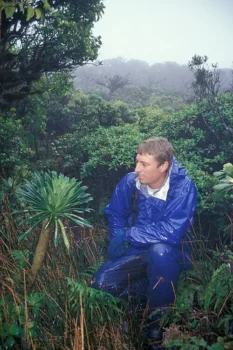
Bog Lobelia: A Rare Hawaiian Wetland Treasure for Your Garden
If you’re dreaming of creating an authentic Hawaiian bog garden or contributing to native plant conservation, bog lobelia (Lobelia gloriamontis) might just be the perfect addition to your landscape. This remarkable native Hawaiian shrub brings both beauty and ecological value to specialized wetland gardens, though its rarity makes it a plant that deserves special consideration.
What is Bog Lobelia?
Bog lobelia is a perennial shrub native exclusively to the Hawaiian Islands. As its common name suggests, this plant has evolved to thrive in Hawaii’s unique bog ecosystems. It’s a multi-stemmed woody plant that typically grows less than 13-16 feet tall, making it a manageable size for most garden spaces. Like other members of the Lobelia family, it produces distinctive tubular flowers that are perfectly designed to attract Hawaii’s native pollinators.
Where Does Bog Lobelia Grow Naturally?
This special plant calls only Hawaii home, where it grows naturally in the state’s precious wetland and bog environments. As an endemic species, bog lobelia has spent thousands of years adapting to Hawaii’s unique climate and growing conditions.
- Species observed
- No observations
Important Conservation Note
Before we dive into growing tips, there’s something crucial every gardener should know: bog lobelia has a rare conservation status (S1S2), meaning it’s quite uncommon in the wild. If you’re considering adding this plant to your garden, please ensure you source it only from reputable native plant nurseries that use responsibly collected or propagated material. Never collect plants from wild populations.
Why Grow Bog Lobelia?
There are several compelling reasons to consider bog lobelia for your Hawaiian garden:
- Native authenticity: Support Hawaii’s natural heritage by growing indigenous plants
- Pollinator magnet: The tubular flowers attract native Hawaiian birds and beneficial insects
- Unique garden niche: Perfect for bog gardens and wetland restoration projects
- Conservation impact: Growing native plants helps preserve genetic diversity
- Low maintenance: Once established in proper conditions, it requires minimal intervention
Growing Conditions and Care
Bog lobelia isn’t your typical garden plant – it has some very specific needs that reflect its natural bog habitat:
Climate Requirements: This plant thrives in USDA hardiness zones 10-11, making it suitable for tropical and subtropical Hawaiian climates.
Moisture Needs: As an obligate wetland plant, bog lobelia requires consistently moist to wet soil conditions. Think of it as nature’s way of saying I love having wet feet! This isn’t a plant that will tolerate drought or even brief dry spells.
Soil Preferences: Bog conditions typically mean acidic, nutrient-poor soils that stay saturated. Consider creating a bog garden area with peat moss or other organic matter that retains moisture while maintaining acidity.
Light Requirements: Most bog plants prefer partial shade to full sun, depending on moisture availability.
Garden Design Ideas
Bog lobelia works beautifully in several garden settings:
- Native Hawaiian gardens: Pair with other indigenous Hawaiian plants for an authentic island landscape
- Bog gardens: Create a specialized wetland area with other moisture-loving natives
- Rain gardens: Use in areas that collect natural rainfall and runoff
- Container gardens: Grow in large containers with proper drainage and consistent watering
Planting and Care Tips
Successfully growing bog lobelia requires attention to its specialized needs:
- Plant in spring when temperatures are warming but before the hottest months
- Ensure consistent moisture – never let the soil dry out
- Consider installing a drip irrigation system for consistent watering
- Mulch around plants to help retain soil moisture
- Avoid fertilizing heavily, as bog plants are adapted to nutrient-poor conditions
- Monitor for pests, though native plants typically have fewer issues
Supporting Conservation Through Gardening
By choosing to grow bog lobelia responsibly, you’re participating in an important conservation effort. Native plant gardening helps maintain genetic diversity, supports local ecosystems, and creates awareness about Hawaii’s unique flora. Just remember to always source your plants ethically and never collect from wild populations.
Whether you’re a seasoned native plant enthusiast or just beginning to explore Hawaii’s botanical treasures, bog lobelia offers a unique opportunity to grow something truly special while contributing to conservation efforts. With proper care and the right growing conditions, this rare Hawaiian native can become a cherished part of your garden story.