Bog Rosemary: A Delicate Native Gem for Wet Gardens
If you’re looking for a charming native plant that thrives in those tricky wet spots in your garden, meet bog rosemary (Andromeda polifolia var. glaucophylla). This delicate perennial shrub might just be the perfect solution for your soggy soil woes, though it comes with some important considerations for conscientious gardeners.
What Makes Bog Rosemary Special
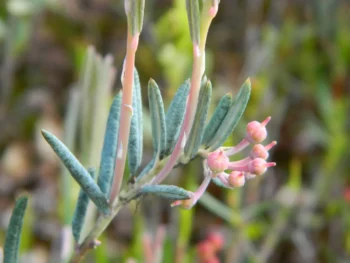
Don’t let the name fool you – bog rosemary isn’t actually related to the herb you use in cooking. This native beauty gets its common name from its narrow, aromatic leaves that somewhat resemble those of culinary rosemary. What makes this plant truly special are its dainty pink bell-shaped flowers that dangle like tiny lanterns in late spring, creating a magical display against the plant’s distinctive blue-green foliage.
The leaves themselves are quite remarkable, featuring a leathery texture with silvery-white undersides that flash in the breeze. This evergreen shrub maintains its attractive appearance year-round, making it a valuable addition to gardens that need winter interest.
Where Bog Rosemary Calls Home
As a true North American native, bog rosemary has an impressive natural range spanning from Canada’s boreal forests down through the northern United States. You’ll find it naturally occurring in Manitoba, New Brunswick, Nova Scotia, Ontario, Prince Edward Island, Quebec, Saskatchewan, Nunavut, and Labrador and Newfoundland in Canada, as well as in numerous U.S. states including Connecticut, Illinois, Indiana, Maine, Massachusetts, Michigan, Minnesota, New Hampshire, New Jersey, New York, Ohio, Pennsylvania, Rhode Island, Vermont, West Virginia, and Wisconsin.
- Species observed
- No observations
A Plant That Needs Our Protection
Here’s where things get serious: bog rosemary is considered endangered in New Jersey, where it holds a rarity status of S1 (critically imperiled). This means that if you’re interested in growing this beautiful native, you absolutely must source it responsibly from reputable native plant nurseries that propagate their own stock rather than wild-collecting.
This rarity status actually makes bog rosemary even more valuable for conservation-minded gardeners who want to provide habitat for native wildlife while preserving genetic diversity of our native flora.
Growing Bog Rosemary Successfully
As its name suggests, bog rosemary is happiest in consistently moist to wet conditions. This low-growing shrub typically reaches 6-24 inches tall and spreads slowly to form attractive colonies, making it perfect for:
- Bog gardens and rain gardens
- Edges of ponds or water features
- Low-lying areas that stay consistently moist
- Native plant gardens focused on wetland species
- Acidic woodland gardens with reliable moisture
The Nitty-Gritty Growing Details
Bog rosemary thrives in USDA hardiness zones 2-6, making it suitable for northern gardens with cold winters. Here’s what this picky but rewarding plant needs:
- Soil: Acidic soil with a pH between 4.5-6.0 – think blueberry conditions
- Moisture: Consistently moist to wet soil that never dries out completely
- Light: Partial shade to full sun, though it appreciates some afternoon shade in warmer climates
- Drainage: While it loves moisture, it still needs some drainage to prevent root rot
Planting and Care Tips
Plant bog rosemary in spring when the soil is workable. Dig a hole slightly larger than the root ball and backfill with acidic soil amendments like peat moss or composted pine needles if your native soil isn’t acidic enough.
Once established, bog rosemary is relatively low-maintenance:
- Maintain consistent moisture – this is non-negotiable
- Mulch with acidic materials like pine needles or oak leaves
- Minimal pruning needed – just remove any dead or damaged stems
- Avoid fertilizing, as this plant prefers nutrient-poor conditions
Benefits for Wildlife and Pollinators
While bog rosemary may be small, it punches above its weight when it comes to supporting native wildlife. The early spring flowers provide crucial nectar for native bees, small butterflies, and other pollinators when few other flowers are available. The dense, low growth habit also provides shelter for small wildlife and beneficial insects.
Is Bog Rosemary Right for Your Garden?
Bog rosemary is perfect for gardeners who have challenging wet areas and want to support native ecosystems. However, it’s not the right choice for everyone. Skip this plant if you have dry soil conditions, highly alkaline soil, or if you can’t commit to maintaining consistent moisture.
If you do decide to grow bog rosemary, remember to source it responsibly from reputable native plant nurseries. By choosing this endangered beauty, you’ll be contributing to conservation efforts while enjoying one of our most charming native shrubs.
With its delicate flowers, attractive foliage, and important ecological value, bog rosemary proves that sometimes the most specialized plants make the most rewarding garden companions – as long as you can meet their specific needs.