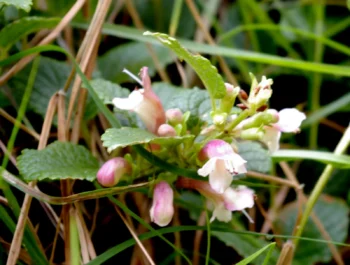
Bog Stenogyne: A Rare Hawaiian Treasure for Specialized Gardens
Meet the bog stenogyne (Stenogyne calaminthoides), a charming yet elusive native Hawaiian perennial that’s as specialized as its name suggests. This little-known member of the mint family brings a touch of authentic Hawaiian flora to gardens willing to meet its unique needs.
What Makes Bog Stenogyne Special
Bog stenogyne is a true Hawaiian endemic, meaning it grows naturally nowhere else on Earth except the Hawaiian Islands. As a perennial forb herb, this plant lacks woody tissue and produces delicate flowers that add subtle beauty to wetland settings. Its aromatic foliage hints at its mint family heritage, releasing a pleasant fragrance when brushed or crushed.
Where You’ll Find It Growing Wild
This native beauty calls Hawaii home, growing exclusively within the state’s unique bog and wetland ecosystems. You won’t find bog stenogyne spreading beyond Hawaii’s borders – it’s perfectly adapted to the islands’ specific climate and growing conditions.
- Species observed
- No observations
Important Conservation Considerations
Here’s something every potential grower needs to know: bog stenogyne carries a Global Conservation Status of S3, classifying it as Vulnerable. This means the species faces real threats in the wild, with typically only 21 to 100 occurrences or between 3,000 and 10,000 individuals remaining. If you’re interested in growing this rare plant, please ensure you source it responsibly from reputable native plant nurseries that propagate rather than wild-harvest their stock.
Growing Conditions and Care
Bog stenogyne isn’t your typical garden plant – it’s a specialist that thrives in consistently moist to wet conditions. As its wetland status indicates, this plant is facultative, meaning it can grow in both wetland and non-wetland areas, though it clearly prefers the former.
Key growing requirements include:
- Consistently moist to wet soil conditions
- USDA hardiness zones 10-12 (tropical Hawaiian climate)
- Partial shade protection
- Bog-like growing medium with good drainage but constant moisture
Garden Design and Landscape Role
This isn’t a plant for every garden, but for the right setting, bog stenogyne can be a meaningful addition. It works beautifully in:
- Native Hawaiian restoration projects
- Specialized bog gardens
- Conservation-focused landscapes
- Wetland garden areas
Wildlife and Pollinator Benefits
While specific pollinator data for bog stenogyne is limited, native Hawaiian plants like this one typically support native insect populations that have co-evolved with them over thousands of years. By growing this plant, you’re potentially providing habitat and resources for Hawaii’s unique native wildlife.
Should You Grow Bog Stenogyne?
The honest answer? Only if you’re committed to conservation and have the right growing conditions. This vulnerable species requires specialized care and isn’t suitable for casual gardening. However, if you’re passionate about preserving Hawaiian native plants and can provide the boggy conditions it craves, bog stenogyne can be a meaningful addition to your conservation garden.
Remember, growing rare plants comes with responsibility. Always source from ethical suppliers, never collect from the wild, and consider your efforts as part of broader conservation work to protect Hawaii’s unique botanical heritage.
For most gardeners interested in Hawaiian natives, consider starting with more common species before taking on the challenge of bog stenogyne. But for dedicated native plant enthusiasts with the right conditions, this little treasure offers a chance to help preserve a piece of Hawaii’s irreplaceable natural legacy.