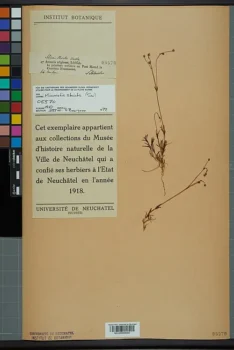
Bog Stitchwort: A Tiny Arctic Treasure for Specialized Gardens
If you’re dreaming of creating an alpine garden that captures the essence of the far north, bog stitchwort (Minuartia stricta) might just catch your eye. This diminutive annual herb brings a touch of arctic charm to specialized garden settings, though it’s definitely not your average backyard flower.
Meet the Bog Stitchwort
Bog stitchwort goes by the botanical name Minuartia stricta, and you might occasionally see it listed under its synonym Alsinanthe stricta. This little forb (that’s garden-speak for a non-woody plant) is an annual, meaning it completes its entire life cycle in just one growing season.
Don’t let its small stature fool you – this plant is incredibly tough. As a native species, bog stitchwort calls home to an impressive range that includes Alaska, Canada, Greenland, and several states in the lower 48. You can find it thriving in Alberta, British Columbia, Manitoba, Ontario, Quebec, Yukon, Northwest Territories, Nunavut, California, Colorado, New Hampshire, Rhode Island, Utah, and Labrador.
- Species observed
- No observations
What Does Bog Stitchwort Look Like?
Bog stitchwort is the definition of small but mighty. This delicate forb produces tiny white flowers with five petals that seem almost too perfect for something so small. The plant forms low, mat-like growth with narrow, thread-like leaves that give it a fine-textured appearance. It’s the kind of plant you might walk right past unless you’re looking for it – but once you spot it, you’ll appreciate its understated beauty.
Where Does It Fit in Your Garden?
Here’s where things get interesting (and a bit challenging). Bog stitchwort isn’t your typical garden center find, and there’s a good reason for that. This plant is specifically adapted to arctic and alpine conditions, making it a specialized choice for very particular garden settings.
If you’re creating an alpine rock garden, attempting to recreate high-altitude conditions, or developing a specialized native plant collection, bog stitchwort could be a fascinating addition. However, it’s definitely not suited for traditional flower beds, mixed borders, or most conventional garden designs.
Growing Conditions: The Arctic Way
Bog stitchwort has some very specific preferences that reflect its native habitat:
- Extremely well-drained, sandy or gravelly soils
- Full sun exposure
- Cool, consistently moist conditions
- USDA hardiness zones 1-6 (it loves the cold!)
The plant’s wetland status varies by region, but it’s generally classified as facultative, meaning it can handle both wet and dry conditions – though it definitely prefers the cooler, moister side of things.
The Reality Check: Should You Grow It?
Let’s be honest – bog stitchwort is not an easy plant to grow successfully in cultivation. Its specialized requirements make it quite challenging for most home gardeners. This is definitely a plant for serious alpine garden enthusiasts or specialized native plant collectors rather than casual gardeners.
If you’re determined to try growing bog stitchwort, you’ll need to recreate very specific conditions that mimic its natural arctic and alpine habitats. This means excellent drainage, cool temperatures, and the patience to work with a plant that might not cooperate with traditional gardening methods.
Wildlife and Pollinator Benefits
While bog stitchwort may be small, it does provide some benefits to wildlife. Its tiny flowers attract small pollinators like flies and small beetles that are common in its native range. In its natural habitat, it plays a role in the complex web of arctic and alpine ecosystems.
The Bottom Line
Bog stitchwort is one of those plants that’s more fascinating than practical for most gardeners. If you’re passionate about native plants, particularly those from extreme environments, or if you’re creating a specialized alpine garden, it might be worth the challenge. However, for most gardeners looking for reliable, easy-to-grow native options, there are probably better choices out there.
If you’re drawn to the idea of small, delicate native ground covers, consider exploring other native options that might be more suited to your local growing conditions and easier to establish in your garden.