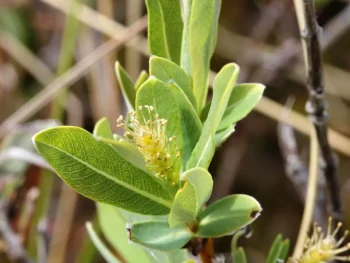
Bog Willow: A Specialized Native Shrub for Wetland Gardens
If you’ve been searching for the perfect native plant to complete your rain garden or wetland restoration project, let me introduce you to bog willow (Salix pedicellaris). This unassuming little shrub might not win any beauty contests, but it’s absolutely essential for anyone serious about creating authentic wetland habitats in their landscape.
What Is Bog Willow?
Bog willow is a small, perennial shrub that typically stays under 4-5 feet tall, making it perfect for smaller spaces. As a multi-stemmed woody plant, it forms neat colonies that spread gradually over time. Don’t let its modest size fool you – this tough little native is built to thrive in some of the most challenging growing conditions imaginable.
Where Does Bog Willow Naturally Grow?
This remarkable shrub is native to a vast swath of North America, calling home to regions across Canada and the northern United States. You’ll find it naturally occurring from the Maritime provinces all the way west to British Columbia and up into the Arctic territories. In the lower 48 states, it grows throughout the northern tier from Maine to Washington, with populations extending south through the Great Lakes region and into some northeastern states.
- Species observed
- No observations
A Word of Caution: Rarity Considerations
Before you rush out to find bog willow, there’s something important you should know. In New Jersey, this species is listed as endangered with a rarity status of S1, meaning it’s critically imperiled in the state. If you live in areas where bog willow is rare, please only purchase plants from reputable native plant nurseries that use responsibly sourced, locally appropriate genetic material. Never collect from wild populations!
Why Consider Bog Willow for Your Garden?
Here’s where bog willow really shines – it’s what botanists call an obligate wetland species across all regions of North America. This means it almost always occurs in wetlands and has adapted specifically for these conditions. For gardeners, this translates to several key benefits:
- Perfect for rain gardens and bioswales
- Excellent erosion control along pond edges or stream banks
- Authentic choice for wetland restoration projects
- Supports early-season pollinators with spring flowers
- Extremely cold hardy (zones 2-6)
- Low maintenance once established
What Type of Garden Suits Bog Willow Best?
This isn’t a plant for your typical perennial border! Bog willow thrives in specialized garden settings:
- Bog gardens and constructed wetlands
- Rain gardens designed for stormwater management
- Native plant gardens focused on wetland species
- Shoreline restoration projects
- Conservation-minded landscapes
Growing Conditions and Care
The key to success with bog willow is understanding its non-negotiable requirement: consistently moist to wet soil. This plant has evolved for boggy, marshy conditions and simply won’t tolerate drought. It prefers acidic soils and can handle full sun to partial shade, though it tends to be happiest with some protection from the harshest afternoon sun.
As for hardiness, bog willow is incredibly tough when it comes to cold weather, thriving in USDA zones 2-6. If you live in zone 7 or warmer, this probably isn’t the right plant for your climate.
Planting and Maintenance Tips
Spring planting gives bog willow the best start, allowing it to establish before winter. Choose a location that stays consistently moist – think of areas that might be soggy after heavy rains or spots near water features. Once planted, the most important care requirement is maintaining adequate moisture. In truly boggy conditions, you might not need to water at all after the first season.
The good news? Bog willow is remarkably low-maintenance once happy. It may spread slowly through underground stems, which is actually beneficial for erosion control and creating natural-looking colonies.
Wildlife and Pollinator Benefits
While bog willow might look understated, it punches above its weight when it comes to supporting wildlife. Its early spring flowers provide crucial nectar sources for bees and other pollinators when few other plants are blooming. As part of the willow family, it also serves as a host plant for various butterfly and moth caterpillars.
Is Bog Willow Right for Your Garden?
Bog willow isn’t for everyone, and that’s perfectly okay! This specialized native thrives in very specific conditions that most gardens simply don’t provide. However, if you have a wet area in your landscape that other plants struggle with, or if you’re passionate about creating authentic wetland habitat, bog willow could be exactly what you need.
Consider bog willow if you have consistently wet, acidic soil and want to create a naturalistic wetland garden. Skip it if you’re looking for showy flowers, have typical garden soil, or live in warmer climates. Remember, the best native garden is one that matches plants to their preferred conditions – and for bog willow, that means embracing the wonderful world of wetland gardening!