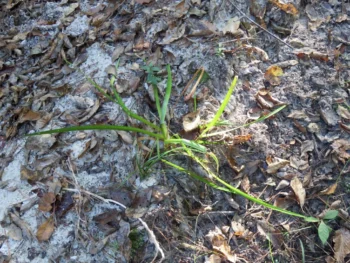
Bog Yelloweyed Grass: A Native Wetland Beauty for Your Garden
If you’re looking to add some authentic native charm to your wetland garden or rain garden, let me introduce you to bog yelloweyed grass (Xyris difformis). This unassuming little perennial might not win any flashy flower contests, but it’s got character, ecological value, and a surprising ability to thrive in those tricky wet spots where other plants fear to tread.
What Makes Bog Yelloweyed Grass Special?
Bog yelloweyed grass is a native North American perennial forb that belongs to the yelloweyed grass family. Don’t let the name fool you – it’s not actually a true grass, but rather a grass-like plant that produces charming little yellow flowers. The botanical name Xyris difformis might be a mouthful, but this plant is also known by the synonym Xyris bracteicaulis in some older references.
As a forb, this plant lacks significant woody tissue and keeps its growing points at or below ground level, making it a hardy perennial that returns year after year. It’s perfectly adapted to wetland life and has earned an Obligate Wetland status across all regions where it grows – meaning you’ll almost always find it in wet conditions in nature.
Where Does It Call Home?
Bog yelloweyed grass has an impressive native range that spans much of eastern North America. You can find this adaptable plant growing naturally from Canada (including Nova Scotia and Ontario) down through the lower 48 states and even into Puerto Rico. It grows in an extensive list of states including Alabama, Arkansas, Connecticut, Delaware, Florida, Georgia, Indiana, Kentucky, Louisiana, Maine, Maryland, Massachusetts, Michigan, Mississippi, New Hampshire, New Jersey, New York, North Carolina, Ohio, Oklahoma, Pennsylvania, Rhode Island, South Carolina, Tennessee, Texas, Vermont, Virginia, and the District of Columbia.
- Species observed
- No observations
Why Consider Bog Yelloweyed Grass for Your Garden?
Here’s where this little plant really shines – it’s the perfect solution for those challenging wet spots in your landscape. If you have areas that stay consistently moist or even periodically flood, bog yelloweyed grass will be right at home. It’s an excellent choice for:
- Bog gardens and wetland restoration projects
- Rain gardens that collect runoff
- Pond margins and water garden edges
- Naturalized wet meadow areas
- Low-lying areas that other plants struggle in
The plant produces delicate yellow flowers on slender stems that add a subtle pop of color to wet areas. While not showy, these blooms attract small pollinators including native bees and flies, making bog yelloweyed grass a valuable addition to pollinator-friendly landscapes.
Growing Conditions and Care
The beauty of bog yelloweyed grass lies in its simplicity. This is not a high-maintenance diva – it’s more like that reliable friend who’s happy just to be included. Here’s what it needs to thrive:
Light: Full sun to partial shade – it’s quite adaptable to different light conditions as long as its feet stay wet.
Soil: Consistently moist to wet, acidic soils are ideal. Think bog conditions rather than well-draining garden soil.
Water: This is where bog yelloweyed grass differs from most garden plants – it actually wants to stay wet! Don’t worry about overwatering; worry about it drying out.
Climate: Hardy in USDA zones 4-9, making it suitable for most temperate climates across its native range.
Planting and Care Tips
Getting bog yelloweyed grass established is straightforward if you remember its wetland preferences:
- Plant in spring when soil temperatures warm up
- Choose the wettest spot in your garden – seriously!
- Maintain consistent moisture throughout the growing season
- Minimal fertilization needed – wetland plants are adapted to nutrient-poor conditions
- Allow the plant to naturalize in appropriate wet areas
- No need for regular pruning or deadheading
Is Bog Yelloweyed Grass Right for Your Garden?
Bog yelloweyed grass is perfect for gardeners who want to work with nature rather than against it. If you have wet, challenging areas in your landscape, this native plant offers an authentic, low-maintenance solution that supports local ecosystems. It’s not the right choice for dry, well-draining garden beds, but in wet conditions, it’s a champion.
Consider adding bog yelloweyed grass to your garden if you’re creating a rain garden, restoring wetland habitat, or simply want to embrace the natural wet areas of your property with appropriate native plants. Your local pollinators will appreciate the native blooms, and you’ll appreciate having a plant that thrives exactly where many others would struggle.