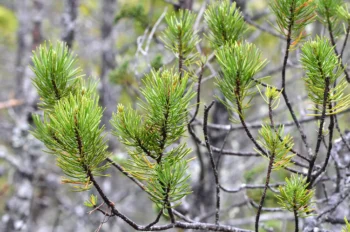
Bolander Beach Pine: A Rare Coastal Treasure for Your Garden
If you’re looking for a truly unique native tree that embodies the rugged beauty of California’s coast, meet the Bolander beach pine (Pinus contorta var. bolanderi). This remarkable conifer is like the surfer dude of the pine world – perfectly adapted to coastal life and sporting a distinctively windswept look that screams I belong by the ocean.
What Makes Bolander Beach Pine Special?
The Bolander beach pine is a variety of the lodgepole pine that has evolved specifically for coastal California living. This perennial evergreen tree typically grows as a single-trunked specimen, reaching heights of 13-16 feet or more, though coastal winds often sculpt it into more compact, artistic forms. Its reddish-brown bark and naturally twisted, gnarled branches give it an almost bonsai-like appearance that’s simply captivating.
Native Range and Rarity Status
This pine is native to a very limited area along California’s coast, primarily in Mendocino and Sonoma counties. It’s what we call an endemic species – meaning it exists nowhere else in the world naturally. However, there’s an important caveat: Bolander beach pine has a Global Conservation Status of S5T2, indicating it’s considered rare. This means if you’re interested in growing this beauty, you’ll want to source it responsibly from reputable native plant nurseries that propagate rather than wild-collect their stock.
- Species observed
- No observations
Why Consider Planting Bolander Beach Pine?
Here are some compelling reasons this native might be perfect for your landscape:
- Authentic coastal character: Nothing says California coast quite like this wind-sculpted pine
- Drought tolerance: Once established, it’s remarkably water-wise
- Low maintenance: Adapted to harsh coastal conditions means it’s tough as nails
- Conservation value: You’ll be helping preserve a rare native species
- Unique specimen: Each tree develops its own artistic form
Ideal Growing Conditions
Bolander beach pine thrives in USDA hardiness zones 8-10, making it suitable for coastal and Mediterranean climates. Here’s what this coastal native needs to flourish:
- Sunlight: Full sun exposure
- Soil: Well-draining sandy soils (think beach conditions)
- Water: Drought-tolerant once established; avoid overwatering
- Climate: Coastal conditions with moderate temperatures and ocean influence
Perfect Garden Settings
This pine works beautifully in several landscape scenarios:
- Coastal gardens where it can embrace its natural windswept form
- Mediterranean-style landscapes
- Drought-tolerant or water-wise gardens
- As a unique specimen tree
- Windbreaks in coastal properties
Planting and Care Tips
Successfully growing Bolander beach pine is surprisingly straightforward once you understand its preferences:
Planting: Fall through winter is the ideal planting time, giving roots a chance to establish before the dry season. Choose a location with excellent drainage – this tree absolutely hates wet feet.
Watering: Water regularly the first year to establish roots, then scale back significantly. Mature trees are quite drought-tolerant and prefer infrequent, deep watering over frequent shallow irrigation.
Maintenance: Minimal pruning needed – let the wind do the sculpting! Remove only dead, damaged, or crossing branches.
Wildlife and Ecological Benefits
While Bolander beach pine is wind-pollinated (so it won’t attract bees and butterflies like flowering plants), it provides valuable habitat for coastal wildlife. Birds often use the sturdy branches for nesting, and the seeds can provide food for various species when cones mature.
A Word About Responsible Sourcing
Given its rare status, it’s crucial to obtain Bolander beach pine from reputable sources. Look for nurseries that specialize in native plants and can verify their trees are nursery-propagated rather than wild-collected. This ensures you’re supporting conservation rather than potentially harming wild populations.
The Bottom Line
Bolander beach pine offers gardeners a chance to grow something truly special – a rare native that brings authentic coastal California character to the landscape. While it requires responsible sourcing and specific growing conditions, the reward is a living sculpture that connects your garden to the wild beauty of California’s coast. If you have the right conditions and can source it responsibly, this remarkable pine makes a meaningful and beautiful addition to any coastal garden.