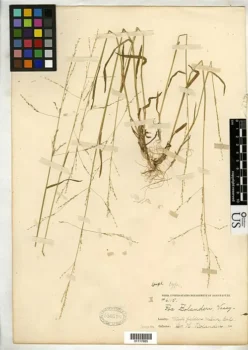
Bolander’s Bluegrass: A Delicate Native Grass for Natural Gardens
Meet Bolander’s bluegrass (Poa bolanderi), a charming little native grass that might not win any beauty contests but certainly earns its keep in naturalistic landscapes. This unassuming annual grass brings authentic Pacific Northwest character to gardens while asking for almost nothing in return.
What is Bolander’s Bluegrass?
Bolander’s bluegrass is a native annual grass belonging to the bluegrass family. Don’t let the name fool you—this isn’t the Kentucky bluegrass of suburban lawns. Instead, it’s a delicate, fine-textured grass that grows wild across western North America. You might also see it listed under its synonym, Poa horneri, in older plant references.
As an annual, this grass completes its entire life cycle in one growing season, sprouting from seed, flowering, setting seed, and dying back all within the same year. But don’t worry—it’s excellent at reseeding itself for next year’s show.
Where Does It Come From?
This native beauty calls the western regions of North America home, naturally occurring across British Columbia, California, Idaho, Nevada, Oregon, Utah, and Washington. It’s perfectly adapted to the varied climates and conditions of these areas, from coastal regions to inland valleys.
- Species observed
- No observations
Why Grow Bolander’s Bluegrass?
Let’s be honest—Bolander’s bluegrass won’t be the star of your garden. But here’s why you might want to include it anyway:
- Authentic native character: Adds genuine regional flora to your landscape
- Low maintenance: Once established, it pretty much takes care of itself
- Naturalistic appeal: Perfect for creating that wild meadow look
- Erosion control: Helps stabilize slopes and disturbed areas
- Self-sustaining: Readily self-seeds for continuous presence
- Wildlife habitat: Provides structure and cover for small creatures
Garden Design and Landscape Use
Bolander’s bluegrass shines in naturalistic settings rather than formal gardens. It’s perfect for:
- Native plant gardens and restoration projects
- Wildflower meadows and prairie-style plantings
- Natural areas where you want low-maintenance ground coverage
- Slopes and areas prone to erosion
- Buffer zones between cultivated and wild areas
Think of it as nature’s own groundcover—subtle, reliable, and completely at home in casual, naturalized landscapes.
Growing Conditions and Care
One of the best things about Bolander’s bluegrass is how easygoing it is. This adaptable native thrives in USDA hardiness zones 4 through 9, making it suitable for a wide range of climates.
Ideal growing conditions include:
- Sunlight: Full sun to partial shade
- Soil: Well-draining soils; tolerates poor and rocky conditions
- Water: Drought tolerant once established; appreciates some moisture during germination
- pH: Adaptable to various soil pH levels
Planting and Care Tips
Growing Bolander’s bluegrass is refreshingly simple:
- Seeding: Direct seed in fall or early spring when soil temperatures are cool
- Soil prep: Minimal preparation needed—just remove weeds and rake lightly
- Watering: Keep soil slightly moist during germination, then reduce watering
- Maintenance: Virtually none required once established
- Fertilizing: Not necessary—this grass prefers lean soils
The key to success is remembering this is an annual grass that completes its cycle naturally. Let it go to seed if you want it to return next year, which it readily will in suitable conditions.
The Bottom Line
Bolander’s bluegrass isn’t going to transform your garden into a showstopper, but it’s an excellent choice for gardeners who appreciate native plants and natural landscapes. If you’re creating meadow-style plantings, working on restoration projects, or simply want to add authentic regional character to your outdoor spaces, this undemanding little grass deserves consideration.
It’s particularly valuable for those forgotten corners of the garden where you want something growing but don’t want to fuss with high-maintenance plants. Sometimes the most humble plants are exactly what our landscapes need.