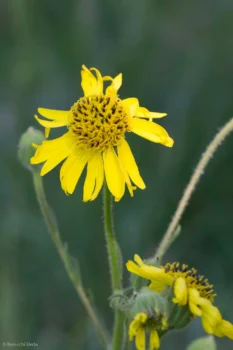
Bolander’s Madia: A Mysterious West Coast Native
If you’re looking for a truly unique addition to your native plant garden, Bolander’s madia (Kyhosia bolanderi) might just be the conversation starter you’ve been searching for. This lesser-known perennial forb calls the Pacific Coast home, though finding reliable information about this elusive plant can be quite the adventure in itself!
What Makes Bolander’s Madia Special?
Bolander’s madia is a perennial forb, which simply means it’s a non-woody flowering plant that comes back year after year. As a member of the native flora of California and Oregon, this plant has adapted to life along the West Coast over countless generations. You might also see it listed under its synonym, Madia bolanderi, in some older botanical references.
Where Does It Grow Naturally?
This native beauty is found exclusively in California and Oregon, making it a true West Coast specialist. Its limited geographic range means it’s perfectly adapted to the unique climate conditions of these states, from coastal influences to inland valleys.
- Species observed
- No observations
Is This Plant Right for Your Garden?
Here’s where things get interesting (and a bit challenging). Bolander’s madia appears to be quite rare in cultivation, and reliable growing information is surprisingly scarce. This scarcity could indicate either:
- The plant is naturally uncommon in the wild
- It has very specific growing requirements that make cultivation tricky
- It simply hasn’t caught the attention of the gardening world yet
If you’re determined to grow native plants from your specific region and live in California or Oregon, this species might appeal to you as a unique addition to a specialized native plant collection.
Growing Considerations
Unfortunately, specific growing conditions, care requirements, and USDA hardiness zones for Kyhosia bolanderi are not well documented. As a West Coast native, it likely prefers the Mediterranean-type climate common to much of California and southern Oregon, but without more detailed information, successful cultivation would require some experimentation.
If you’re interested in trying to grow this plant, your best bet would be to:
- Contact native plant societies in California or Oregon for local expertise
- Look for seeds or plants from specialized native plant nurseries
- Ensure any plant material is responsibly sourced from cultivated stock, not wild-collected
Alternative Native Options
Given the challenges in finding reliable information about Bolander’s madia, you might consider other native madia species that are better documented and more readily available. Common madia (Madia elegans) is a well-known annual that’s much easier to grow and provides similar habitat value for local wildlife.
The Bottom Line
Bolander’s madia presents an intriguing puzzle for native plant enthusiasts. While its status as a true West Coast native makes it appealing from a regional gardening perspective, the lack of cultivation information means growing it successfully would be quite an undertaking. Unless you’re an experienced native plant gardener looking for a challenge, you might want to start with better-documented native species and work your way up to the more mysterious ones like this.
Sometimes the most rewarding plants are the ones that make us work a little harder to understand them – and Bolander’s madia certainly fits that description!