Bolander’s Mule-Ears: A Golden Treasure for California Native Gardens
If you’re looking to add a splash of sunshine to your California native garden, let me introduce you to one of the Golden State’s more charming wildflowers: Bolander’s mule-ears (Agnorhiza bolanderi). Don’t let the quirky name fool you – this isn’t about actual mules! The mule-ears moniker comes from the plant’s distinctive large, fuzzy leaves that supposedly resemble, well, mule ears. Beauty is in the eye of the beholder, right?
What Makes Bolander’s Mule-Ears Special?
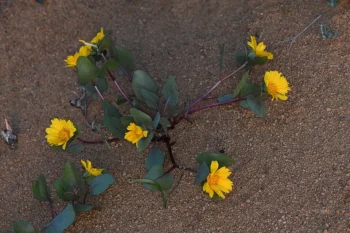
This perennial wildflower is a true California native, calling only the Golden State home. As a member of the sunflower family, Bolander’s mule-ears produces cheerful, bright yellow daisy-like flowers that can brighten up any garden space. The plant forms attractive rosettes of broad, silvery-green basal leaves that provide year-round interest, even when the flowers aren’t blooming.
Where Does It Grow Naturally?
Bolander’s mule-ears is endemic to California, meaning you won’t find it growing wild anywhere else in the world. It naturally occurs in the Sierra Nevada foothills and some coastal mountain ranges, where it has adapted beautifully to the state’s Mediterranean climate patterns.
- Species observed
- No observations
A Word of Caution: Rarity Matters
Before you rush out to plant Bolander’s mule-ears, here’s something important to know: this species has a conservation status that indicates it’s somewhat uncommon in the wild. While it’s not critically endangered, responsible gardeners should only source this plant from reputable native plant nurseries that propagate their stock ethically rather than wild-collecting. Think of it as being a good steward of California’s natural heritage!
Why Grow Bolander’s Mule-Ears?
There are several compelling reasons to consider this native beauty for your garden:
- Drought tolerance: Once established, it thrives with minimal summer water – perfect for water-wise gardening
- Pollinator magnet: The bright yellow flowers attract native bees, butterflies, and other beneficial insects
- Low maintenance: As a true native, it’s adapted to local conditions and requires little fussing once established
- Unique beauty: The combination of silvery foliage and golden blooms adds distinctive texture and color to native plantings
Perfect Garden Settings
Bolander’s mule-ears shines in several garden styles:
- Native California landscapes and restoration projects
- Drought-tolerant and xeriscape gardens
- Naturalized wildflower meadows
- Wildlife and pollinator gardens
- Mediterranean-style landscapes
Growing Conditions and Care
The good news is that Bolander’s mule-ears isn’t particularly fussy about growing conditions, as long as you respect its basic needs:
Climate: Best suited for USDA hardiness zones 7-10, which covers most of California’s populated areas.
Sun and Soil: Prefers full sun to partial shade and well-draining soil. It’s quite tolerant of poor soils – in fact, rich, fertile soil might make it too lush and prone to flopping over.
Water: Here’s where it gets easy – this plant is naturally adapted to California’s dry summers. Water regularly the first year to establish roots, then back off. Mature plants typically survive on rainfall alone in most California locations.
Planting and Care Tips
For the best success with Bolander’s mule-ears:
- Plant in fall: This timing allows the plant to establish roots during the rainy season
- Ensure good drainage: Poor drainage is probably the biggest threat to this plant’s survival
- Start small: Young plants establish more easily than large specimens
- Be patient: Like many natives, it may take a season or two to really show its stuff
- Minimal fertilizer: Native plants rarely need fertilization and may actually perform worse with too much nutrition
The Bottom Line
Bolander’s mule-ears represents the best of California native gardening – beautiful, water-wise, wildlife-friendly, and perfectly adapted to local conditions. While you’ll need to source it responsibly due to its somewhat uncommon status, it’s absolutely worth seeking out for the right garden setting. Just remember: this isn’t a plant for formal, manicured landscapes, but rather for gardeners who appreciate the natural beauty and ecological benefits of California’s native flora.
If you’re ready to embrace the wild side of gardening and support local pollinators while conserving water, Bolander’s mule-ears might just be the golden addition your native garden has been waiting for!