Bolander’s Ragwort: A Hidden Gem for Pacific Northwest Shade Gardens
If you’re looking for a charming native wildflower that thrives in shady spots, let me introduce you to Bolander’s ragwort (Packera bolanderi var. bolanderi). This delightful perennial might not be the flashiest plant in the garden center, but it’s exactly the kind of understated beauty that makes native plant enthusiasts swoon.
What Makes Bolander’s Ragwort Special?
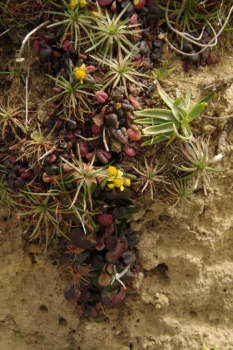
Bolander’s ragwort is a true West Coast native, naturally occurring in California, Oregon, and Washington. As a member of the sunflower family, it produces cheerful clusters of bright yellow, daisy-like flowers that seem to glow in shaded woodland settings. You might also see this plant listed under its former scientific name, Senecio bolanderi, in older gardening references.
This herbaceous perennial (meaning it dies back to the ground each winter and returns in spring) is what botanists call a forb – essentially a non-woody flowering plant that forms the backbone of many natural ecosystems.
- Species observed
- No observations
Why Your Garden (and Local Wildlife) Will Love It
Here’s where Bolander’s ragwort really shines: it’s a pollinator magnet. Those sunny yellow blooms attract native bees, butterflies, and other beneficial insects that are crucial for a healthy garden ecosystem. In a world where pollinator populations are struggling, every native flowering plant we can add makes a difference.
From a design perspective, this plant fills a valuable niche in shade gardens where flowering options can be limited. Its bright blooms provide a welcome pop of color in woodland settings, and the plant naturalizes beautifully without being aggressive.
Growing Conditions and Care
One of the best things about Bolander’s ragwort is that it’s refreshingly low-maintenance once established. Here’s what this easygoing native prefers:
- Light: Partial shade to full shade (perfect for those tricky spots under trees)
- Soil: Moist, well-draining soil rich in organic matter
- Hardiness: Thrives in USDA zones 7-10
- Water: Moderate moisture; avoid letting it completely dry out
Perfect Garden Settings
Bolander’s ragwort is ideally suited for:
- Native plant gardens focused on Pacific Coast species
- Woodland and shade gardens
- Naturalistic landscapes where you want that wild look
- Pollinator gardens in shaded areas
- Groundcover in natural areas
Planting and Care Tips
Getting Bolander’s ragwort established is straightforward, but here are some tips for success:
- Plant in spring or fall when temperatures are moderate
- Amend heavy clay or sandy soils with compost to improve both drainage and water retention
- Water regularly the first growing season to help establish strong roots
- Once established, it’s quite drought-tolerant but performs best with consistent moisture
- Deadhead spent flowers if you prefer a tidier look, or leave them for wildlife
The Bottom Line
While Bolander’s ragwort might not win any flashy flower contests, it’s exactly the kind of reliable, beneficial native plant that creates the foundation of a thriving ecosystem garden. If you’re gardening in the Pacific Northwest or coastal California and have some shady spots that need a touch of sunshine, this charming ragwort could be just what you’re looking for.
Remember, when you choose native plants like Bolander’s ragwort, you’re not just creating a beautiful garden – you’re supporting local wildlife and preserving the natural heritage of your region. And honestly, there’s something pretty wonderful about that.