Bolander’s Rush: The Perfect Native Plant for Your Wet Spots
If you’ve got a soggy spot in your yard that makes you scratch your head wondering what to plant, meet your new best friend: Bolander’s rush (Juncus bolanderi). This unassuming native perennial might not win any flashy flower contests, but it’s absolutely brilliant at what it does – turning those challenging wet areas into thriving, naturalistic landscapes.
What Exactly Is Bolander’s Rush?
Bolander’s rush is a native perennial graminoid, which is just a fancy way of saying it’s a grass-like plant that comes back year after year. Don’t let the rush name fool you – this isn’t the kind of plant that’s in a hurry to take over your garden. Instead, it’s a well-behaved member of the rush family that forms elegant clumps of slender, upright stems.
Where Does It Call Home?
This Pacific Northwest native has quite the range, naturally occurring across British Columbia, California, Idaho, Oregon, and Washington. It’s perfectly adapted to the wet conditions found throughout western North America, making it an excellent choice for gardeners in these regions who want to work with nature rather than against it.
- Species observed
- No observations
Why Your Garden Will Thank You
Here’s where Bolander’s rush really shines. This plant is classified as an obligate wetland species, which means it almost always occurs in wetlands in the wild. For your garden, this translates to:
- Perfect for rain gardens and bioswales
- Excellent erosion control along pond edges
- Ideal for those perpetually damp areas where other plants struggle
- Adds fine texture and vertical interest to water features
- Requires virtually no maintenance once established
The Look and Feel
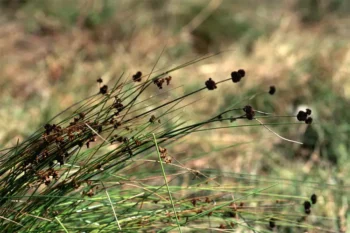
While Bolander’s rush won’t stop traffic with showy blooms, it brings a subtle, naturalistic beauty to wet areas. The plant forms clumps of thin, upright stems that sway gently in the breeze, creating movement and texture in the landscape. Small, clustered flowers appear seasonally, followed by seeds that provide food for birds.
Growing Bolander’s Rush Successfully
The beauty of this native is its simplicity. Here’s what you need to know:
Light Requirements
Bolander’s rush is quite flexible with light, thriving in full sun to partial shade. This adaptability makes it perfect for various garden situations.
Soil and Water Needs
This is where things get specific – and wonderfully easy if you have the right conditions:
- Needs consistently moist to wet soil
- Tolerates standing water
- Perfect for areas that stay soggy after rain
- Thrives in poor drainage conditions that challenge other plants
Climate Considerations
Bolander’s rush is well-suited to USDA hardiness zones 7-10, making it perfect for most of the Pacific Coast and similar climates.
Where to Use It in Your Landscape
This versatile native works beautifully in:
- Rain gardens and bioretention areas
- Pond and stream margins
- Bog gardens and wetland restorations
- Low-lying areas that collect water
- Native plant gardens with irrigation
Wildlife Benefits
While Bolander’s rush is wind-pollinated rather than attracting pollinators with showy flowers, it still provides valuable ecosystem services. The seeds are an important food source for various bird species, and the dense clumps provide shelter for small wildlife.
Planting and Care Tips
Getting started with Bolander’s rush is refreshingly straightforward:
- Plant in spring or fall when temperatures are mild
- Choose the wettest spot in your garden
- Space plants according to your desired coverage – they’ll naturally spread to form colonies
- Water regularly until established, then let nature take over
- No fertilizer needed – this plant thrives in nutrient-poor wetland conditions
- Minimal pruning required; you can cut back old growth in late winter if desired
Is Bolander’s Rush Right for Your Garden?
This native rush is perfect if you have consistently wet areas and want a low-maintenance, ecologically beneficial plant. It’s especially valuable for gardeners interested in sustainable landscaping, rain water management, or creating habitat for local wildlife.
However, if you’re looking for showy flowers or have only dry garden areas, you might want to consider other native options better suited to your conditions.
Bolander’s rush proves that sometimes the most valuable plants are the quiet ones – the species that solve problems, support ecosystems, and ask for very little in return. For the right garden situation, it’s absolutely indispensable.