Bolander’s Sedge: A Versatile Native Groundcover for Western Gardens
If you’re looking for a reliable, low-maintenance native plant that can handle a variety of conditions while providing year-round interest, meet Bolander’s sedge (Carex bolanderi). This unassuming perennial graminoid might not win any flashy flower contests, but it’s the kind of dependable garden workhorse that native plant enthusiasts absolutely swear by.
What is Bolander’s Sedge?
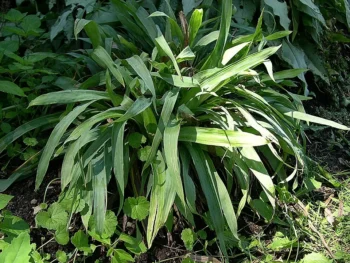
Bolander’s sedge is a native perennial sedge that forms attractive, dense clumps of narrow, arching leaves. As a graminoid, it shares characteristics with grasses but belongs to the sedge family (Cyperaceae). Don’t worry about remembering the technical stuff – just know that it brings that lovely, fine-textured, grass-like appearance to your garden without the fuss of traditional lawn grasses.
Where Does It Naturally Grow?
This hardy native calls much of western North America home, naturally occurring across an impressive range that includes British Columbia and extends south through Arizona, California, Idaho, Montana, Nevada, New Mexico, Oregon, Utah, Washington, and Wyoming. It’s particularly fond of mountainous regions, which gives you a hint about its tough, adaptable nature.
- Species observed
- No observations
Why Gardeners Love Bolander’s Sedge
There are several compelling reasons to consider adding this native sedge to your landscape:
- Versatile growing conditions: It’s remarkably adaptable, thriving in both moist and moderately dry soils
- Year-round interest: The evergreen foliage provides structure and color throughout all seasons
- Excellent groundcover: Forms dense clumps that help suppress weeds and prevent erosion
- Low maintenance: Once established, it requires minimal care and is quite drought tolerant
- Native credentials: Supports local ecosystems and provides habitat structure for small wildlife
Perfect Garden Roles
Bolander’s sedge shines in several landscape applications. It’s absolutely perfect for native plant gardens, where its authentic regional character fits right in. Rain gardens benefit from its facultative wetland status – it can handle both wet and dry periods with equal grace. Woodland gardens love its tolerance for partial shade, and it makes an excellent understory planting beneath larger native shrubs and trees.
For restoration projects or naturalistic plantings, this sedge is a dream come true. It establishes easily and helps create that authentic, wild look that many gardeners crave.
Growing Conditions and Care
One of the best things about Bolander’s sedge is how forgiving it is. Here’s what you need to know:
- Sunlight: Partial shade to full sun – it’s quite flexible
- Soil: Adaptable to various soil types, from moist to moderately dry
- Hardiness: Thrives in USDA zones 4-9, making it suitable for most temperate climates
- Water: Moderate water needs; drought tolerant once established
Planting and Care Tips
Getting started with Bolander’s sedge is refreshingly straightforward. Plant it in spring or fall when temperatures are moderate. Space plants about 12-18 inches apart if you’re creating a groundcover effect, or use single specimens as accent plants.
During the first growing season, provide regular water to help establish the root system. After that, you can back off significantly – this tough native can handle dry spells like a champ. The plant spreads slowly by rhizomes, so don’t expect it to take over your garden, but do expect it to gradually fill in and create a lovely, natural-looking carpet.
Maintenance is minimal. You can trim back old foliage in late winter if desired, but many gardeners prefer to leave it for winter interest and wildlife habitat.
Wildlife and Ecosystem Benefits
While Bolander’s sedge is wind-pollinated and doesn’t offer nectar for pollinators, it provides valuable habitat structure for small wildlife. The dense clumps offer shelter and nesting sites, and the seeds can provide food for birds. As a native plant, it’s part of the complex web of relationships that support local ecosystems.
Is Bolander’s Sedge Right for Your Garden?
If you’re gardening in western North America and looking for a low-maintenance, adaptable native groundcover, Bolander’s sedge deserves serious consideration. It’s particularly perfect if you want to reduce lawn areas, create naturalistic plantings, or support local wildlife habitat. Just remember that this is a plant valued more for its reliability and ecological benefits than for showy flowers – and sometimes, that’s exactly what your garden needs.