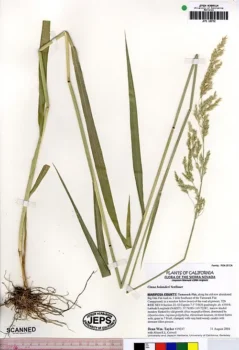
Bolander’s Woodreed: A Rare California Native Grass Worth Protecting
If you’re drawn to delicate, graceful grasses that whisper stories of California’s wild places, Bolander’s woodreed might just capture your heart. This enchanting native grass (Cinna bolanderi) brings an understated elegance to shaded gardens, but there’s an important conservation story that every gardener should know before considering this plant.
What Makes Bolander’s Woodreed Special
Bolander’s woodreed is a perennial grass that epitomizes subtle beauty. Rather than making bold statements, this California endemic prefers to charm with its fine-textured foliage and drooping clusters of delicate flowers that dance in the slightest breeze. It’s the kind of plant that rewards those who take time to notice the quiet details in nature.
Where It Calls Home
This grass is exclusively Californian, making it a true Golden State treasure. You’ll find it naturally growing in the moist, shaded understories of coniferous forests, where it thrives in the dappled light filtering through towering trees.
- Species observed
- No observations
A Conservation Concern
Important: Bolander’s woodreed has a Global Conservation Status of S2, meaning it’s imperiled due to extreme rarity. With typically only 6 to 20 known occurrences and potentially just 1,000 to 3,000 individual plants remaining in the wild, this grass is walking a tightrope toward extinction.
If you’re considering adding this species to your garden, please only source it from reputable native plant nurseries that propagate from legally collected seed or have proper permits. Never collect from wild populations.
Garden Role and Design Potential
In the right garden setting, Bolander’s woodreed serves as an exceptional understory element. Its fine texture creates beautiful contrast against broader-leaved shade plants, and its naturally graceful growth habit brings movement to static plantings. Think of it as nature’s answer to ornamental fountain grass, but designed specifically for California’s shaded woodland gardens.
Ideal Growing Conditions
This grass has some specific preferences that reflect its natural habitat:
- Light: Partial to full shade – avoid hot, direct sunlight
- Soil: Moist, well-draining soil that mimics forest floor conditions
- Water: Consistent moisture is key; it’s classified as a facultative wetland plant
- Climate: Best suited for USDA zones 8-10, particularly coastal and mountain regions of California
Planting and Care Tips
Success with Bolander’s woodreed comes down to recreating its natural environment:
- Plant in spring when soil is workable but still moist from winter rains
- Choose a location that receives morning sun but afternoon shade
- Amend soil with organic matter to improve moisture retention
- Maintain consistent soil moisture, especially during dry California summers
- Mulch around plants to conserve moisture and suppress weeds
Wildlife and Ecological Benefits
While Bolander’s woodreed is wind-pollinated and doesn’t directly attract pollinators like flowering plants do, it plays important ecological roles. Native grasses provide habitat structure for small wildlife and contribute to the complex web of relationships that make healthy ecosystems function.
Should You Plant It?
Here’s where the conservation conversation gets real. While Bolander’s woodreed would make a stunning addition to appropriate shade gardens, its rarity means we need to be thoughtful stewards. If you can source it responsibly and provide the right growing conditions, you’ll be participating in conservation through cultivation – essentially creating a backup population while enjoying its beauty.
However, if you’re unable to source it responsibly or your garden conditions aren’t quite right, consider these California native alternatives that offer similar aesthetic appeal: California fescue (Festuca californica) or purple needlegrass (Stipa pulchra) for sunnier spots, or sedges like Carex species for similar fine texture in shade.
Whether you choose to grow Bolander’s woodreed or appreciate it from afar, this rare grass reminds us that some of nature’s most precious gifts are also its most fragile. Every conservation-minded gardener can play a role in protecting California’s botanical heritage, one thoughtful plant choice at a time.