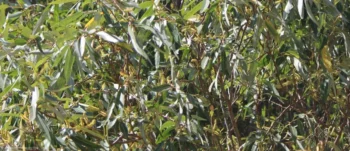
Bonpland Willow: A Fast-Growing Native Tree for Southwestern Gardens
Meet the Bonpland willow (Salix bonplandiana), a remarkable native tree that’s perfectly adapted to the challenging conditions of the American Southwest. If you’re looking for a fast-growing, water-wise tree that can handle both wet and dry conditions, this southwestern native might just be your new garden hero.
What Makes Bonpland Willow Special?
This perennial tree is a true native of the lower 48 states, specifically thriving in Arizona’s diverse landscapes. Also known by its synonyms Salix toumeyi and Salix bonplandiana var. toumeyi, this willow has adapted beautifully to the unique conditions of the Southwest.
What sets Bonpland willow apart from other trees is its impressive growth rate and adaptability. This tree can reach heights of 30 feet at maturity, with some specimens growing up to 50 feet after 20 years. Its multiple-stem growth form creates a rounded, graceful silhouette that adds both structure and softness to landscapes.
Where Does Bonpland Willow Grow?
Currently documented in Arizona, Bonpland willow is a true child of the Southwest. It’s particularly well-suited to the challenging conditions found in this region, from desert washes to mountain valleys.
- Species observed
- No observations
Garden Appeal and Landscape Role
With its yellow-green foliage and medium texture, Bonpland willow brings a fresh, vibrant look to landscapes. The tree blooms in winter with small yellow flowers, followed by yellow fruits that add subtle color interest. While the flowers aren’t particularly showy, they provide valuable early-season resources for pollinators when few other plants are blooming.
The tree’s moderate summer porosity provides pleasant filtered shade, while its porous winter structure allows more light through when you need it most. This makes it an excellent choice for:
- Native plant gardens
- Water-wise landscaping
- Riparian restoration projects
- Erosion control on slopes
- Wildlife habitat gardens
Growing Conditions and Climate Needs
Bonpland willow is remarkably adaptable when it comes to moisture conditions. As a facultative wetland plant in both the Arid West and Western Mountains regions, it usually occurs in wetlands but can also thrive in non-wetland areas once established.
Here’s what this tough tree needs to thrive:
- Hardiness zones: 7-10 (minimum temperature tolerance of 30°F)
- pH range: 6.0 to 8.5 (quite tolerant of alkaline soils)
- Precipitation needs: 8-33 inches annually
- Frost-free days: Minimum of 207 days
- Light requirements: Shade tolerant but grows best in full sun
- Soil tolerance: Low tolerance for very fine or very coarse soils, but adaptable to many soil types
Planting and Care Tips
The good news is that Bonpland willow is relatively low-maintenance once established. Here’s how to give your tree the best start:
Planting: While the data suggests limited propagation success with traditional methods, this tree is known for its rapid seed spread rate. Look for nursery-grown specimens or work with native plant specialists for best results.
Spacing: Plan for 320-640 trees per acre if you’re doing large-scale plantings, giving each tree plenty of room to reach its mature size.
Watering: Despite its drought tolerance once established, young trees benefit from regular watering during their first growing season. The tree’s low anaerobic tolerance means it doesn’t like waterlogged soils, so ensure good drainage.
Maintenance: This tree has a relatively short lifespan compared to some species, but its rapid growth rate means you’ll enjoy its benefits quickly. It doesn’t have significant allelopathic effects, so it plays well with other plants.
Wildlife and Pollinator Benefits
Bonpland willow is active during spring growth periods and provides winter blooms when pollinators need early nectar sources. The tree’s structure and seed production (with high fruit/seed abundance) make it valuable for birds and other wildlife, though specific wildlife benefits aren’t fully documented.
Is Bonpland Willow Right for Your Garden?
This native tree is an excellent choice if you:
- Garden in USDA zones 7-10
- Want a fast-growing native tree
- Need erosion control or streamside plantings
- Appreciate water-wise landscaping
- Want to support local ecosystems with native plants
Keep in mind that while Bonpland willow is wonderfully adapted to southwestern conditions, it may not be the best choice for formal landscapes due to its naturally wild growth habit and relatively short lifespan.
For southwestern gardeners looking to create sustainable, wildlife-friendly landscapes that celebrate their regional flora, Bonpland willow offers the perfect combination of rapid growth, adaptability, and native authenticity. It’s a tree that truly belongs in its landscape—and in gardens that honor the natural beauty of the Southwest.