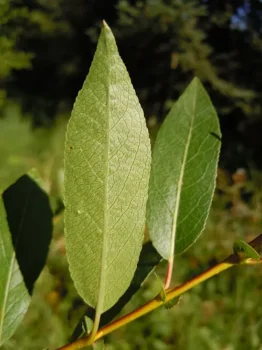
Booth’s Willow: A Hardy Native Shrub for Wet Areas
If you’re looking for a tough, fast-growing native shrub that thrives in those soggy spots where other plants struggle, Booth’s willow might be your new best friend. This unassuming but incredibly useful shrub has been quietly doing important ecological work across western North America for centuries, and it’s ready to do the same in your landscape.
Meet Booth’s Willow
Booth’s willow (Salix boothii) is a perennial, multi-stemmed shrub that typically grows to about 24 feet tall, though it’s often much shorter in garden settings. Don’t let its modest appearance fool you – this hardy native is a powerhouse when it comes to erosion control and wildlife support.
As a member of the willow family, Booth’s willow shares the characteristic rapid growth and moisture-loving nature of its relatives. What sets it apart is its exceptional cold tolerance and ability to thrive in challenging mountain and northern climates.
Where Booth’s Willow Calls Home
This remarkable shrub is native to a vast swath of western North America, naturally occurring in Alaska, western Canada, and throughout the western United States. You’ll find it growing wild in Alberta, British Columbia, Alaska, Arizona, California, Colorado, Idaho, Montana, Nevada, New Mexico, Oregon, Utah, Washington, and Wyoming.
- Species observed
- No observations
Booth’s willow is perfectly adapted to USDA hardiness zones 2 through 7, making it one of the most cold-tolerant willows you can grow. If you live in these zones and have challenging wet areas, this native shrub could be exactly what you need.
Why Choose Booth’s Willow for Your Landscape?
There are several compelling reasons to consider adding Booth’s willow to your garden:
- Native plant benefits: Supporting local ecosystems and wildlife
- Rapid growth: Quickly establishes and fills in problem areas
- Erosion control: Excellent for stabilizing slopes and streambanks
- Low maintenance: Requires minimal fertilization once established
- Cold hardy: Survives extreme winter temperatures
- Early pollinator support: Spring catkins provide nectar when few other sources are available
Perfect Garden Situations
Booth’s willow shines in specific landscape situations where many other plants would struggle:
- Rain gardens: Handles periodic flooding beautifully
- Streamside plantings: Natural choice for riparian restoration
- Bog gardens: Thrives in consistently wet conditions
- Naturalized areas: Creates authentic native plant communities
- Erosion-prone slopes: Stabilizes soil with extensive root system
- Wildlife gardens: Provides habitat and food sources
Growing Conditions and Care
The key to success with Booth’s willow is understanding its water needs. This shrub has high moisture requirements and low drought tolerance, so consistent water is essential.
Soil Requirements
Fortunately, Booth’s willow is quite adaptable when it comes to soil:
- Accepts coarse, medium, or fine-textured soils
- pH range of 5.5 to 8.0
- Tolerates medium levels of calcium carbonate
- No salinity tolerance
Light and Water
- Light: Full sun to partial shade (shade tolerant)
- Water: High moisture needs – think wet meadows and streambanks
- Wetland status: Ranges from facultative wetland to obligate wetland depending on region
Planting and Propagation Tips
Getting Booth’s willow established in your landscape is relatively straightforward:
- Timing: Plant in spring after frost danger passes
- Spacing: Allow 1,200 to 11,000 plants per acre depending on desired density
- Propagation options: Grows easily from seed, cuttings, bare root, or container plants
- Root depth: Needs at least 12 inches of soil depth
- Mulching: Benefits from organic mulch to retain moisture
Propagation Methods
One of the great things about Booth’s willow is how easy it is to propagate:
- Cuttings: Take hardwood cuttings in late winter
- Seeds: Collect fresh seeds in summer through fall (about 6.48 million seeds per pound!)
- Commercial availability: Routinely available from native plant nurseries
What to Expect
Booth’s willow is a fast grower that will quickly establish once planted in suitable conditions. The shrub typically reaches its mature height of around 24 feet within 20 years, though it may stay smaller in drier or more challenging sites.
In spring, you’ll enjoy the early catkins that appear in late spring, providing crucial early-season resources for pollinators. The medium-textured, green foliage provides moderate summer porosity, becoming more open in winter after leaf drop.
This shrub has excellent resprouting ability and can handle moderate fire exposure, making it valuable for restoration projects in fire-prone areas.
Is Booth’s Willow Right for Your Garden?
Booth’s willow is an excellent choice if you:
- Have consistently wet or boggy areas in your landscape
- Want to support native wildlife and pollinators
- Need erosion control on slopes or near water features
- Live in USDA zones 2-7
- Prefer low-maintenance, fast-growing plants
- Are working on habitat restoration projects
However, this shrub might not be the best fit if you have dry, well-drained soils or are looking for a compact, formal landscape plant. Booth’s willow needs its feet wet to truly thrive.
For gardeners blessed with wet, challenging areas that seem impossible to landscape, Booth’s willow offers an elegant native solution that benefits both your property and local ecosystems. Give this hardworking shrub the moisture it craves, and it will reward you with rapid growth, erosion control, and valuable wildlife habitat for years to come.