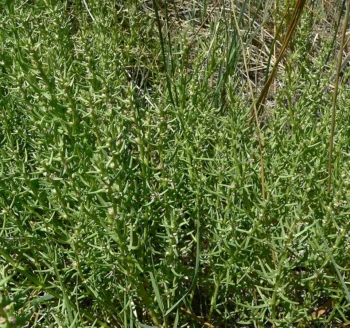
Boraxweed: A Tough Native for Challenging Garden Conditions
If you’ve got that one stubborn spot in your garden where nothing seems to grow—you know, the area with salty, alkaline soil that laughs in the face of your gardening efforts—then boraxweed (Nitrophila occidentalis) might just be your unlikely hero. This unassuming native plant has made a living out of thriving where others fear to tread.
What is Boraxweed?
Boraxweed is a perennial forb native to the western United States. Don’t let the humble name fool you—this little survivor has mastered the art of living in some of the toughest conditions nature can dish out. As a forb, it’s an herbaceous plant without woody stems, but what it lacks in stature, it makes up for in resilience.
Where Does Boraxweed Grow Naturally?
You’ll find this hardy native scattered across Arizona, California, Nevada, Oregon, Utah, and Washington. It has carved out its niche in the alkaline and saline soils that many other plants simply can’t tolerate, making it a true specialist of challenging environments.
- Species observed
- No observations
Should You Plant Boraxweed in Your Garden?
Let’s be honest—boraxweed isn’t going to win any beauty contests. With tiny purple flowers that aren’t particularly showy and a decumbent (sprawling) growth habit, this isn’t the plant you choose for curb appeal. However, there are some compelling reasons you might want to consider it:
The Good:
- Thrives in alkaline soils (pH 7-10) where most plants struggle
- Excellent tolerance for salty conditions
- Native plant that supports local ecosystems
- Once established, requires minimal care
- Perfect for restoration projects and problem soils
- Grows to a manageable 1 foot tall
The Challenging:
- Not particularly ornamental
- Very specific soil requirements make it unsuitable for most gardens
- Slow to establish and moderate growth rate
- Limited commercial availability despite being routinely available
- Requires full sun and won’t tolerate shade
Growing Conditions and Care
Boraxweed is the definition of a specialist plant. It has very particular needs that align with its natural habitat:
Soil Requirements:
- Highly alkaline soils (pH 7-10)
- High salt tolerance—a real plus for coastal or naturally saline areas
- Prefers fine to medium-textured soils
- Good drainage is essential despite its wetland tendencies
Climate and Hardiness:
- Suitable for USDA zones 6-9 (can handle temperatures down to -13°F)
- Needs at least 165 frost-free days
- Thrives in areas receiving 8-16 inches of annual precipitation
- Active growing season spans spring through fall
Wetland Status and Water Needs
Interestingly, boraxweed is classified as a facultative wetland plant in both the Arid West and Western Mountains regions. This means it usually grows in wetlands but can adapt to drier conditions—think seasonal wetlands or areas with fluctuating moisture levels rather than constantly soggy soil.
Planting and Propagation
Growing boraxweed from seed is your best bet, as it doesn’t propagate well through other methods. Here’s what you need to know:
- Seeds are tiny—there are about 250,000 seeds per pound!
- Plant seeds in summer through fall when they naturally disperse
- Seedlings have medium vigor, so be patient
- No cold stratification required
- Medium seed spread rate means it won’t take over your garden
Wildlife and Ecological Benefits
While specific wildlife benefits aren’t well-documented, as a native plant, boraxweed likely provides food and habitat for specialized insects and small animals adapted to alkaline environments. Its flowers, though small, may attract tiny pollinators during its indeterminate blooming period.
Is Boraxweed Right for Your Garden?
Boraxweed is definitely not a plant for everyone or every garden. It’s best suited for:
- Restoration projects in alkaline or saline areas
- Gardens with naturally challenging soil conditions
- Xerophytic or drought-tolerant landscaping
- Areas where you want tough, low-maintenance ground cover
- Coastal gardens dealing with salt spray
If you’re looking for a showy ornamental or have typical garden soil, you’ll want to pass on boraxweed. But if you’ve got that impossible spot where nothing else will grow, this humble native might just be the solution you’ve been searching for. Sometimes the most valuable plants aren’t the prettiest ones—they’re the ones that get the job done when conditions get tough.