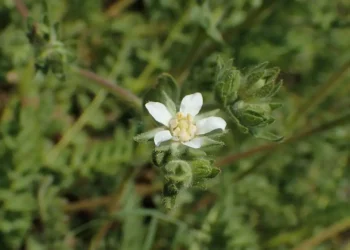
Border Horkelia: A Rare California Native Worth Protecting in Your Garden
If you’re a native plant enthusiast looking for something truly special for your California garden, border horkelia might just be the hidden gem you’ve been searching for. This delicate perennial forb brings a quiet beauty to the landscape while supporting local ecosystems—but there’s an important conservation story you need to know before adding it to your garden.
What is Border Horkelia?
Border horkelia (Horkelia bolanderi) is a charming native California perennial that forms low rosettes of compound leaves topped with clusters of small, white to pinkish flowers. As a member of the rose family, it shares some characteristics with its more familiar cousins but maintains its own unique appeal. This herbaceous plant lacks woody tissue above ground, making it a true forb that dies back seasonally and returns from its perennial roots.
A California Endemic with a Story
This special plant calls only California home, specifically the North Coast Ranges and northern Sierra Nevada foothills. It’s what botanists call an endemic species—meaning it exists nowhere else in the world naturally.
- Species observed
- No observations
However, here’s where the story gets serious: border horkelia has a Global Conservation Status of S1, meaning it’s critically imperiled. With typically five or fewer known occurrences and very few remaining individuals (less than 1,000), this plant is hanging on by a thread in the wild.
Why Grow Border Horkelia? (Responsibly)
Despite—or perhaps because of—its rarity, border horkelia deserves a place in conservation-minded gardens. Here’s why:
- Conservation value: Growing this species helps preserve genetic diversity and provides backup populations
- Pollinator support: Its small flowers attract native bees and other beneficial insects
- Low maintenance: Once established, it’s quite drought-tolerant
- Unique beauty: Few gardeners grow this plant, making it a true conversation piece
- Habitat versatility: Can thrive in both wetland and non-wetland conditions
Garden Design and Landscape Role
Border horkelia works beautifully in specialized settings:
- Native plant gardens: Perfect for authentic California landscapes
- Rock gardens: Its low-growing habit complements rocky settings
- Restoration projects: Helps recreate historic California plant communities
- Collectors’ gardens: A prized addition for rare plant enthusiasts
The plant forms attractive ground cover, staying relatively low with its rosette growth pattern. It’s not a showstopper like some natives, but rather a subtle beauty that rewards close observation.
Growing Conditions and Care
Border horkelia thrives in USDA zones 8-10, which covers most of California’s gardening regions. Here’s what it needs to succeed:
Soil: Excellent drainage is absolutely crucial. This plant will not tolerate soggy conditions, despite its facultative wetland status.
Light: Partial shade to full sun, with some afternoon protection in hotter inland areas.
Water: Drought-tolerant once established, but benefits from occasional deep watering during extended dry periods.
Climate: Adapted to California’s Mediterranean climate with wet winters and dry summers.
Planting and Propagation Tips
Here’s where responsible gardening becomes crucial. Because of its rarity status, you should:
- Source responsibly: Only purchase from reputable native plant nurseries that grow from legally and ethically collected seed
- Never collect from wild: Given its critically imperiled status, wild collection could harm remaining populations
- Start from seed: This is typically the most successful propagation method
- Be patient: Rare natives often grow slowly and may take time to establish
Plant in fall or early spring, ensuring excellent drainage by amending heavy soils with coarse sand or gravel. Water regularly the first year, then reduce irrigation as the plant establishes.
The Conservation Imperative
Growing border horkelia isn’t just about adding another plant to your garden—it’s about participating in conservation. With so few wild populations remaining, responsible cultivation helps ensure this unique California native doesn’t disappear forever.
By choosing to grow border horkelia with ethically sourced material, you’re joining a network of gardeners working to preserve California’s botanical heritage. It’s gardening with a purpose, creating beauty while making a difference for biodiversity.
Just remember: with great rarity comes great responsibility. Make sure your border horkelia comes from legitimate sources, and consider sharing seeds with other conservation-minded gardeners to help expand this important plant’s garden presence.