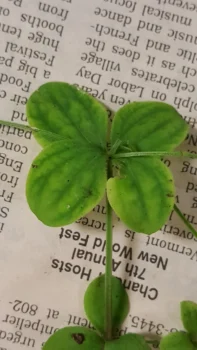
Boreal Bedstraw: A Hardy Native Groundcover for Northern Gardens
If you’re looking for a tough, no-fuss native groundcover that thrives in cooler climates, boreal bedstraw (Galium kamtschaticum) might just be your new best friend. This unassuming little perennial packs a punch when it comes to filling in those tricky spots where other plants fear to tread.
What is Boreal Bedstraw?
Boreal bedstraw is a native North American perennial forb that belongs to the coffee family. Don’t let the fancy botanical name fool you – this is a down-to-earth plant that’s been quietly doing its thing in northern forests and woodlands for centuries. As a forb, it’s an herbaceous plant without woody stems, making it perfect for creating soft, naturalized carpets in your garden.
Where Does It Call Home?
This hardy native has quite the impressive range across northern North America. You’ll find boreal bedstraw naturally growing in British Columbia, Alaska, New Brunswick, Nova Scotia, Ontario, Quebec, Northwest Territories, Maine, Michigan, New Hampshire, New York, Vermont, Washington, and Newfoundland. Talk about a plant that knows how to handle cold winters!
- Species observed
- No observations
Why Choose Boreal Bedstraw for Your Garden?
Here’s where this little charmer really shines:
- Native credentials: Supporting local ecosystems while reducing maintenance needs
- Cold hardy: Thrives in USDA zones 2-6, perfect for northern gardeners
- Low maintenance: Once established, it pretty much takes care of itself
- Groundcover champion: Forms attractive mats that suppress weeds naturally
- Pollinator friendly: Small white flower clusters attract beneficial insects
What Does It Look Like?
Boreal bedstraw won’t win any flashy flower contests, but its subtle beauty grows on you. The plant produces delicate clusters of tiny white flowers that create a charming, airy effect. Its low-growing, mat-forming habit makes it an excellent choice for filling in gaps and creating cohesive groundcover areas.
Perfect Garden Spots for Boreal Bedstraw
This versatile native works beautifully in:
- Woodland gardens where it can naturalize under trees
- Shade gardens that need reliable groundcover
- Native plant landscapes and restoration projects
- Areas where you want a natural, understated look
Growing Conditions That Make It Happy
Boreal bedstraw is refreshingly easy to please:
- Light: Partial to full shade (though it can handle some sun in cooler climates)
- Soil: Moist, well-drained soils with good organic content
- Climate: Cool, northern climates where it really thrives
- Hardiness: USDA zones 2-6
Planting and Care Tips
The good news? Boreal bedstraw is about as low-maintenance as they come:
- Plant in spring or fall when temperatures are cool
- Space plants about 12-18 inches apart for groundcover coverage
- Water regularly during establishment, then it’s quite drought tolerant
- Mulch around plants to retain moisture and suppress weeds
- Allow it to spread naturally – it’s a well-behaved spreader
- Minimal fertilizing needed; it prefers lean to moderately fertile soils
Wildlife and Ecosystem Benefits
While boreal bedstraw might look modest, it plays an important role in supporting local ecosystems. The small flowers provide nectar for various beneficial insects, and the dense mat it forms can offer shelter for small wildlife. As a native plant, it’s perfectly adapted to work with local soil organisms and wildlife communities.
Is Boreal Bedstraw Right for Your Garden?
If you’re gardening in zones 2-6 and looking for a reliable, native groundcover that doesn’t require constant attention, boreal bedstraw could be exactly what you need. It’s particularly valuable for gardeners who want to create naturalized areas or support native plant communities. Just remember – this isn’t a showstopper plant, but rather a dependable team player that helps tie your garden together.
The main consideration is climate – boreal bedstraw really prefers cooler conditions, so gardeners in warmer zones might want to look for other native groundcover options better suited to their region.