Boreal Bog Sedge: A Hardy Native for Wet Gardens
If you’ve been searching for a reliable native plant that thrives in those persistently soggy spots in your garden, meet the boreal bog sedge (Carex magellanica). This unassuming little sedge might not win any beauty contests, but it’s a workhorse that deserves a spot in every wetland garden. Let’s dive into why this hardy perennial could be the perfect solution for your challenging wet areas.
What Makes Boreal Bog Sedge Special?
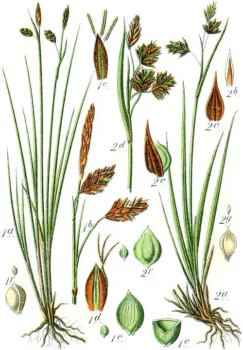
Boreal bog sedge is a fine-textured perennial sedge that forms neat, dense tufts of narrow green leaves. While it may look like grass to the casual observer, it’s actually part of the sedge family (Cyperaceae) – think of it as grass’s more water-loving cousin. In late spring and early summer, it produces small, inconspicuous brownish flower spikes that add subtle interest without being showy.
What this plant lacks in flashy blooms, it makes up for in reliability and ecological value. The foliage often takes on attractive golden-brown tones in autumn, providing year-round structure in the garden.
A True North American Native
This sedge is impressively native across a vast range of North America. You’ll find it naturally occurring from Alaska down through Canada and into many northern U.S. states. It’s native to Alaska, Canada, Greenland, the lower 48 states, and even St. Pierre and Miquelon.
The plant grows naturally across an extensive geographic range, including Alberta, British Columbia, Alaska, Manitoba, New Brunswick, Nova Scotia, Ontario, Colorado, Prince Edward Island, Connecticut, Quebec, Saskatchewan, Yukon, Northwest Territories, Nunavut, Idaho, Indiana, Maine, Massachusetts, Michigan, Minnesota, Montana, New Hampshire, New Jersey, New York, Ohio, Pennsylvania, Utah, Vermont, Washington, Wisconsin, Wyoming, Labrador, and Newfoundland.
- Species observed
- No observations
The Ultimate Wetland Plant
Here’s where boreal bog sedge really shines – it’s classified as an Obligate Wetland plant across all regions where it grows. This means it almost always occurs in wetlands and absolutely loves consistently moist to wet conditions. If you have a spot in your garden where other plants struggle due to poor drainage or standing water, this sedge will be right at home.
Perfect for Specialized Garden Types
Boreal bog sedge is ideal for several specific garden styles:
- Wetland and bog gardens – Its natural habitat preference makes it perfect for these specialized environments
- Rain gardens – Excellent for managing stormwater runoff
- Native plant gardens – Adds authentic regional character
- Naturalistic landscapes – Provides fine texture and subtle beauty
- Restoration projects – Helps restore natural wetland ecosystems
Growing Conditions: Keep It Wet!
Successfully growing boreal bog sedge comes down to one main requirement: consistent moisture. This plant thrives in:
- Soil: Moist to wet, acidic, peaty soils with poor drainage
- Light: Full sun to partial shade
- Climate: Extremely cold hardy, suitable for USDA zones 2-7
- Water: Consistent moisture is essential – this plant does not tolerate drought
Planting and Care Tips
The good news is that once established in the right conditions, boreal bog sedge is relatively low-maintenance:
- Planting: Plant in spring when soil is workable
- Spacing: Allow adequate space for the plant to form its natural clumps
- Mulching: Apply organic mulch to retain moisture and suppress weeds
- Division: Divide clumps every 3-4 years if they become overcrowded
- Maintenance: Minimal pruning needed – just remove any dead foliage in early spring
Wildlife and Ecological Benefits
While boreal bog sedge is wind-pollinated and doesn’t attract pollinators directly, it still provides valuable ecosystem services. The seeds may attract various bird species, and the dense growth habit provides shelter for small wildlife. In wetland restoration projects, it helps stabilize soil and creates habitat for amphibians and other wetland creatures.
Should You Plant Boreal Bog Sedge?
If you have consistently wet areas in your garden and want to work with nature rather than against it, boreal bog sedge could be an excellent choice. It’s particularly valuable if you’re creating a native plant garden or working on wetland restoration. However, if you’re looking for a showstopper with dramatic flowers or colorful foliage, you might want to pair it with more visually striking wetland natives.
The plant’s extremely hardy nature (surviving in zones 2-7) makes it suitable for northern gardeners dealing with harsh winters. Just remember – this is not a plant for dry conditions or well-drained soils. Embrace the wet, and this little sedge will reward you with years of reliable, low-maintenance beauty in your water garden.