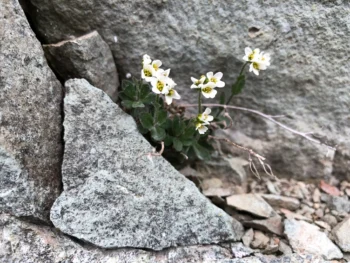
Boreal Draba: A Tiny Arctic Treasure for Your Rock Garden
If you’re looking to add a touch of the Arctic to your garden, meet boreal draba (Draba borealis) – a charming little perennial that proves good things really do come in small packages. This diminutive native wildflower might not win any height contests, but what it lacks in stature, it makes up for in resilience and quiet beauty.
What is Boreal Draba?
Boreal draba is a small perennial forb – essentially a non-woody flowering plant that dies back to the ground each winter but returns faithfully each spring. Don’t let the term forb intimidate you; it’s just a fancy way of saying it’s an herbaceous flowering plant that isn’t a grass or sedge.
This little plant forms neat rosettes of small leaves close to the ground and produces delicate clusters of tiny white flowers in early spring. It’s the kind of plant that rewards the observant gardener who takes time to appreciate nature’s smaller masterpieces.
Where Does Boreal Draba Come From?
True to its name, boreal draba is native to some pretty chilly places. You’ll find this hardy little survivor naturally growing across Alaska, various Canadian provinces including Alberta and British Columbia, and scattered locations in the northwestern United States including Colorado, Montana, Washington, and Wyoming.
- Species observed
- No observations
In the wild, boreal draba calls arctic and subarctic regions home, often thriving in alpine environments where many other plants would throw in the towel.
Why Grow Boreal Draba?
Here’s why this modest native might deserve a spot in your garden:
- Native plant credentials: Supporting native plants means supporting local ecosystems and wildlife
- Rock garden star: Perfect for alpine and rock garden enthusiasts who appreciate subtle beauty
- Pollinator friendly: Those small white flowers attract tiny native pollinators like small bees and flies
- Low maintenance: Once established, it’s remarkably self-sufficient
- Cold hardy champion: Thrives in USDA hardiness zones 2-6, perfect for northern gardeners
Growing Conditions and Care
Boreal draba isn’t your typical garden center perennial – it has some specific preferences that reflect its wild arctic heritage:
Sunlight: Give it full sun exposure. This plant is used to the intense (though brief) sunlight of arctic summers.
Soil requirements: Excellent drainage is absolutely crucial. Think sandy, rocky, or gravelly soils that never stay soggy. If your soil holds water, consider raised beds or containers.
Watering: Once established, boreal draba is quite drought tolerant. In fact, overwatering is more likely to kill it than neglect.
Fertilization: Keep it minimal. This plant evolved in nutrient-poor soils and too much fertilizer can actually harm it.
Best Garden Settings
Boreal draba shines in specialized garden settings:
- Rock gardens: Its natural habitat makes it perfect for tucking into crevices and rocky spots
- Alpine gardens: Ideal for collections of high-altitude plants
- Native plant gardens: Especially those focusing on northern or mountain flora
- Container gardens: Great for specialty collections in well-draining containers
Planting and Care Tips
Success with boreal draba comes down to mimicking its natural growing conditions:
- Plant in spring after the last frost
- Ensure perfect drainage – consider adding coarse sand or gravel to planting areas
- Space plants according to their mature spread (typically quite small)
- Water sparingly and only when soil is completely dry
- Avoid mulching heavily around the base
- No need for regular fertilization
Is Boreal Draba Right for Your Garden?
Boreal draba is definitely a specialty plant rather than a mainstream garden choice. It’s perfect for gardeners who:
- Love native plants and supporting local ecosystems
- Enjoy rock gardening or alpine plant collecting
- Appreciate subtle, delicate beauty over flashy displays
- Garden in northern climates where this plant naturally thrives
- Have experience with plants that need excellent drainage
However, it might not be the best choice if you’re looking for bold color, large flowers, or a plant that thrives in typical garden soil conditions.
The Bottom Line
Boreal draba offers gardeners a chance to grow a genuine piece of the Arctic in their own backyard. While it requires some specific growing conditions and won’t provide the dramatic impact of showier perennials, it brings authenticity, ecological value, and quiet charm to specialized garden settings. For the right gardener in the right location, this small native can be a delightful addition to rock gardens and native plant collections.
Just remember: think drainage, drainage, drainage, and you’ll be well on your way to success with this charming little arctic survivor.