Borrego Milkvetch: A Desert Gem for Water-Wise Gardens
If you’re looking to create a stunning desert garden that celebrates native plants while conserving water, let me introduce you to a charming little annual that might just steal your heart: Borrego milkvetch (Astragalus lentiginosus var. borreganus). This delightful member of the pea family brings both beauty and ecological benefits to southwestern landscapes.
Meet the Borrego Milkvetch
Borrego milkvetch is a true native of the American Southwest, naturally occurring across Arizona, California, and Nevada. As an annual plant, it completes its entire life cycle in one growing season, making it a perfect choice for gardeners who enjoy seasonal variety in their landscapes.
- Species observed
- No observations
Why You’ll Love This Desert Native
There’s something magical about watching Borrego milkvetch come to life in your garden. Here’s what makes this plant special:
- Beautiful blooms: Delicate purple to pink pea-like flowers create stunning color displays
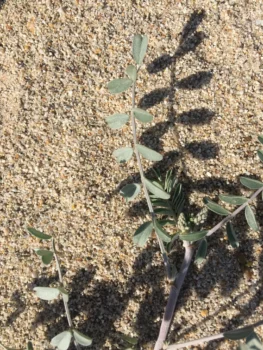
- Attractive foliage: Silvery-green compound leaves add texture and visual interest
- Pollinator magnet: Native bees and other small pollinators absolutely love the flowers
- Water-wise: Perfectly adapted to low-water conditions once established
- Low maintenance: Requires minimal care after getting started
Perfect Garden Settings
Borrego milkvetch shines brightest in specific garden styles where its natural desert character can truly flourish:
- Xeriscaping and drought-tolerant landscapes
- Native plant and wildlife gardens
- Rock gardens and desert-themed spaces
- Slopes needing erosion control
- Ground cover applications in sunny areas
Growing Conditions That Make It Happy
Success with Borrego milkvetch comes from understanding its desert origins. This plant thrives in conditions that might challenge other garden favorites:
- Sunlight: Full sun is essential for best growth and flowering
- Soil: Well-draining sandy or rocky soils work best
- Water: Low water requirements once established
- Climate: Best suited for USDA hardiness zones 8-10
Planting and Care Tips
Growing Borrego milkvetch successfully is surprisingly straightforward when you work with its natural preferences:
Getting Started: Direct seed in fall for best results. The seeds need a period of cool weather to germinate properly in spring.
Watering Wisdom: Provide moderate water during the germination and establishment phase, then reduce watering significantly. Overwatering is more harmful than underwatering for this desert native.
Soil Preparation: Skip the fertilizer! This plant actually prefers lean soils and can struggle in overly rich conditions. Focus instead on ensuring excellent drainage.
Maintenance: Once established, Borrego milkvetch is remarkably self-sufficient. Simply allow the plants to complete their natural cycle and collect seeds for next year’s garden.
Supporting Local Ecosystems
By choosing Borrego milkvetch for your garden, you’re doing more than creating beautiful landscapes—you’re supporting local wildlife. Native bees and other pollinators depend on plants like this for food and habitat. It’s a wonderful way to contribute to biodiversity while enjoying a gorgeous, low-maintenance garden.
Whether you’re a seasoned desert gardener or just beginning to explore water-wise landscaping, Borrego milkvetch offers an excellent opportunity to grow something truly special. Its combination of beauty, ecological benefits, and easy care makes it a standout choice for sustainable southwestern gardens.