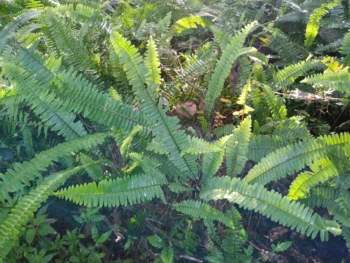
Boston Swordfern: A Graceful Native Fern for Shady Gardens
If you’re looking to add some lush, tropical flair to your shady garden spots, the Boston swordfern might just be your new best friend. This elegant native fern, scientifically known as Nephrolepis exaltata, brings a touch of natural sophistication wherever it grows – and the best part? It’s actually native to parts of the United States!
Where Does Boston Swordfern Call Home?
Boston swordfern is a true American native, naturally occurring across several states and territories including Arizona, Florida, Hawaii, Louisiana, and Texas, as well as Puerto Rico and the U.S. Virgin Islands. This wide distribution tells us something important: this fern is quite adaptable to different conditions, though it definitely prefers warmer climates.
- Species observed
- No observations
Why Choose Boston Swordfern for Your Garden?
There are several compelling reasons to consider adding this perennial beauty to your landscape:
- Native plant benefits: As a native species, it supports local ecosystems and requires less maintenance once established
- Stunning texture: The arching, sword-shaped fronds create beautiful layers and add fine texture to garden beds
- Shade tolerance: Perfect for those tricky spots where other plants struggle
- Low maintenance: Once established, it’s relatively easy to care for
- Versatile use: Works great as ground cover, in containers, or as an accent plant
Growing Conditions: What Boston Swordfern Loves
Boston swordfern thrives in USDA hardiness zones 9-11, making it perfect for gardeners in warmer regions. Here’s what this fern needs to flourish:
- Light: Partial to full shade – direct sunlight can scorch the delicate fronds
- Soil: Well-draining but consistently moist, organic-rich soil
- Humidity: Prefers higher humidity levels, making it ideal for naturally humid climates
- Water: Consistent moisture without waterlogging
Wetland Adaptability
One interesting feature of Boston swordfern is its flexible relationship with water. Depending on your region, it can adapt to both wetland and non-wetland conditions. In most areas, it’s considered facultative, meaning it’s equally happy in moist or drier conditions, though it generally prefers some consistent moisture.
Planting and Care Tips
Getting your Boston swordfern established is straightforward with these tips:
- Soil preparation: Amend your soil with compost or other organic matter to improve drainage and fertility
- Planting depth: Plant at the same depth it was growing in the container
- Watering: Keep soil consistently moist but not soggy, especially during establishment
- Mulching: Apply a layer of organic mulch to help retain moisture and regulate soil temperature
- Fertilizing: Light feeding with a balanced, organic fertilizer during the growing season
Design Ideas and Garden Roles
Boston swordfern shines in several landscape applications:
- Woodland gardens: Creates a natural, forest-floor feel under trees
- Shade borders: Forms attractive masses along shaded walkways
- Container gardens: Makes an excellent potted specimen for patios and porches
- Tropical landscapes: Adds authentic tropical texture to themed gardens
- Ground cover: Provides lush coverage in areas where grass won’t grow
A Few Things to Keep in Mind
While Boston swordfern is generally well-behaved, there are a few considerations:
- It’s not frost-tolerant, so gardeners in zones 8 and below should treat it as an annual or houseplant
- As a fern, it doesn’t produce flowers, so it won’t directly attract pollinators looking for nectar
- It can spread via underground rhizomes, so give it room to expand or be prepared to divide it occasionally
The Bottom Line
Boston swordfern offers gardeners in warm climates a fantastic opportunity to grow a beautiful native plant that’s both low-maintenance and visually striking. Its graceful fronds and adaptable nature make it a valuable addition to shady garden spaces, and its native status means you’re supporting local ecosystems while creating a gorgeous landscape. Whether you’re designing a woodland garden, need reliable ground cover for shade, or want to add some tropical flair to your outdoor space, Boston swordfern delivers on all fronts.