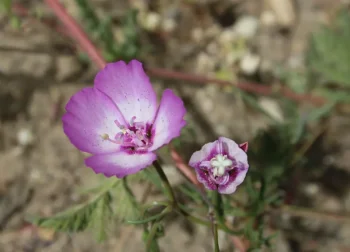
Botta’s Clarkia: A Charming California Native for Your Wildflower Garden
If you’re looking to add a touch of delicate beauty to your California native garden, Botta’s clarkia (Clarkia bottae) might just be the perfect annual wildflower you’ve been searching for. This charming little plant brings subtle elegance and important ecological benefits to landscapes throughout its native range.
What Makes Botta’s Clarkia Special?
Botta’s clarkia is a true California native, found naturally throughout the Golden State. As an annual forb, this herbaceous wildflower completes its entire life cycle in one growing season, making it a fantastic choice for gardeners who enjoy seasonal variety in their landscapes.
The plant produces delicate, four-petaled flowers in lovely shades of pink to purple that bloom during the spring months. These small but numerous blossoms create a soft, romantic effect when planted in drifts or mixed with other native wildflowers.
Where Does It Grow Naturally?
This lovely wildflower is endemic to California, where it thrives in the Central Valley and surrounding foothill regions. As a true California native, it’s perfectly adapted to the state’s Mediterranean climate and seasonal rainfall patterns.
- Species observed
- No observations
Why Grow Botta’s Clarkia in Your Garden?
There are several compelling reasons to consider adding this native beauty to your landscape:
- Supports local pollinators including native bees and butterflies
- Requires minimal water once established, making it perfect for water-wise gardens
- Adds natural, informal beauty to wildflower meadows and native plant gardens
- Helps preserve California’s native plant heritage
- Easy to grow from seed with minimal maintenance required
Perfect Garden Settings
Botta’s clarkia shines in several types of garden settings:
- Native California wildflower gardens
- Naturalized meadow areas
- Xeriscape and drought-tolerant landscapes
- Cottage-style native plantings
- Mixed borders with other California natives
Growing Conditions and Care
One of the best things about Botta’s clarkia is how easy it is to grow when you match its natural preferences:
Sunlight: Thrives in full sun to partial shade
Soil: Prefers well-drained soils and can tolerate poor or rocky conditions
Water: Low to moderate water needs; drought tolerant once established
Climate: Best suited for USDA hardiness zones 8-10, particularly California’s Mediterranean climate
Planting and Care Tips
Growing Botta’s clarkia successfully is surprisingly straightforward:
- Direct seed in fall (October-November) for best spring blooms
- Scatter seeds on prepared soil surface and lightly rake in
- Water gently until germination occurs with winter rains
- Once established, minimal supplemental watering is needed
- Allow plants to complete their cycle and drop seeds naturally for next year’s display
- No fertilization necessary – too much nutrition can actually reduce flowering
A Note About Names
You might occasionally see Botta’s clarkia listed under older botanical names like Godetia bottae or Clarkia deflexa, but these all refer to the same wonderful plant. The current accepted name is Clarkia bottae, honoring both the botanist William Clarkia and the plant collector Paolo Botta.
Supporting California’s Natural Heritage
By choosing to grow Botta’s clarkia in your garden, you’re doing more than just adding pretty flowers to your landscape. You’re helping to preserve a piece of California’s natural heritage while providing vital resources for local pollinators and wildlife.
This little annual may be small in stature, but it plays a big role in supporting the web of life that makes California’s ecosystems so special. Plus, there’s something deeply satisfying about growing plants that have called your region home for thousands of years.
Ready to give Botta’s clarkia a try? Your local native plant society or specialty seed supplier should be able to help you source seeds for this charming California native. Your garden – and your local pollinators – will thank you!