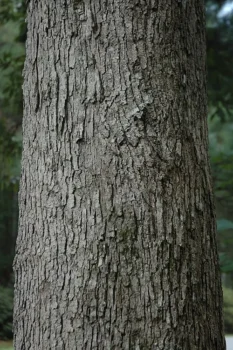
Bottomland Post Oak: A Hidden Gem for Wet Areas in Your Landscape
If you’re looking for a native tree that thrives where others fear to tread – namely, those soggy, poorly-drained spots in your yard – let me introduce you to the bottomland post oak (Quercus similis). This lesser-known oak species is like the unsung hero of wetland trees, perfectly happy with wet feet and ready to bring both beauty and ecological benefits to your landscape.
What Makes Bottomland Post Oak Special?
The bottomland post oak is a perennial, woody tree that typically grows as a single-trunked specimen reaching heights greater than 13-16 feet, though it can develop multiple stems under certain environmental conditions. As its common name suggests, this oak has adapted specifically to life in bottomland areas where seasonal flooding and consistently moist soils are the norm rather than the exception.
You might also encounter this tree referred to by its scientific synonyms, including Quercus mississippiensis or various forms of Quercus stellata varieties, but Quercus similis is the accepted name for this distinctive species.
Where Does It Call Home?
This native beauty has made itself at home across the southeastern United States, naturally occurring in Alabama, Arkansas, Georgia, Louisiana, Mississippi, South Carolina, and Texas. It’s particularly well-suited to the low-lying, flood-prone areas that characterize much of this region’s landscape.
- Species observed
- No observations
A Word About Conservation
Here’s something important to keep in mind: bottomland post oak has a global conservation status that’s somewhat uncertain (S3?Q), and in Alabama, it’s considered quite rare with an S1 status. This means if you’re interested in adding this tree to your landscape, it’s crucial to source it responsibly from reputable native plant nurseries that propagate their own stock rather than collecting from wild populations.
Perfect for Wet Spots
One of the most remarkable features of bottomland post oak is its wetland status. Across its range – whether in the Atlantic and Gulf Coastal Plain, Eastern Mountains and Piedmont, or Great Plains regions – it’s classified as a Facultative Wetland species. In plain English, this means it’s perfectly happy growing with its roots in wet soil most of the time, though it can tolerate drier conditions when necessary.
This makes it an excellent choice for:
- Rain gardens and bioswales
- Areas with poor drainage
- Spots that flood seasonally
- Naturalized wetland landscapes
- Large properties with low-lying areas
Growing Your Bottomland Post Oak
While specific growing conditions aren’t fully documented for this species, like most oaks in wetland environments, bottomland post oak likely thrives in full sun to partial shade and prefers consistently moist to wet soils. Given its native range, it should be hardy in USDA zones 6-9, making it suitable for most southeastern gardens.
When planting, choose a location where the tree will have plenty of room to mature – remember, this is a large tree species that needs space to spread its canopy. Spring or fall planting typically offers the best establishment success for oak species.
Wildlife and Ecological Benefits
As a native oak, bottomland post oak likely provides significant wildlife benefits, though specific details aren’t well-documented. Oak trees are generally powerhouse species for supporting biodiversity, hosting numerous caterpillar species that serve as crucial food sources for birds, especially during nesting season. The acorns, when produced, would provide food for squirrels, deer, and other wildlife.
Is This Tree Right for Your Landscape?
Bottomland post oak is an excellent choice if you:
- Have a large property with wet or poorly-drained areas
- Want to support native wildlife and biodiversity
- Are creating a naturalized or wildlife-friendly landscape
- Need a tree that can handle seasonal flooding
- Want to contribute to conservation efforts for less-common native species
However, this might not be the right choice if you have a small urban lot, need a fast-growing tree for immediate impact, or your soil is extremely well-drained and dry.
The Bottom Line
Bottomland post oak represents an opportunity to grow something truly special – a native tree that’s both ecologically valuable and perfectly adapted to challenging wet conditions. While its rarity means you’ll need to be thoughtful about sourcing, adding this oak to your landscape helps support conservation efforts while creating habitat for native wildlife. Just make sure you’ve got the space and the right wet conditions to help this remarkable tree thrive.