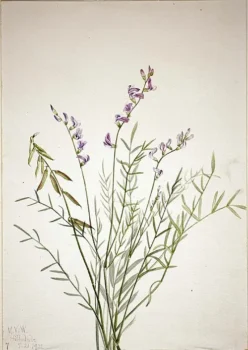
Bourgov’s Milkvetch: A Lesser-Known Native Perennial
If you’re on the hunt for native plants that fly under the radar, Bourgov’s milkvetch (Astragalus bourgovii) might just pique your interest. This perennial shrub represents one of those quieter members of the native plant world – not flashy, but with its own unique charm for those willing to look closer.
What Is Bourgov’s Milkvetch?
Bourgov’s milkvetch is a low-growing perennial shrub that keeps things compact, typically staying under 1.5 feet tall and never exceeding 3 feet at maturity. As a member of the legume family, it shares characteristics with other milkvetches, though specific details about this particular species remain somewhat elusive in gardening circles.
Where Does It Call Home?
This native beauty has quite the range, calling both Canada and the lower 48 states home. You’ll find it naturally growing in Alberta, British Columbia, Idaho, and Montana – places known for their rugged landscapes and variable growing conditions.
- Species observed
- No observations
Should You Grow It?
Here’s where things get interesting (and a bit mysterious). While Bourgov’s milkvetch has the appeal of being truly native to North America, there’s still a lot we don’t know about this particular species. Its compact size suggests it could work well in smaller spaces or as part of a native groundcover scheme, but without detailed information about its growing requirements, it’s a bit of a gardening adventure.
The Challenge of Growing Something Uncommon
If you’re considering adding Bourgov’s milkvetch to your garden, you’ll be entering somewhat uncharted territory. The lack of readily available information about its specific growing conditions, care requirements, and garden performance means you’d be part pioneer, part experimenter.
What we can reasonably assume, given its native range in the northern regions and mountain states, is that it likely prefers:
- Cooler climates
- Well-draining soils
- Full sun to partial shade conditions
- Minimal water once established
Consider the Alternatives
Given the limited information available about Bourgov’s milkvetch, you might want to consider other well-documented native Astragalus species or similar native legumes that offer:
- Proven garden performance
- Clear growing instructions
- Known wildlife benefits
- Reliable seed or plant sources
The Bottom Line
Bourgov’s milkvetch remains something of an enigma in the native plant world. While its native status and compact growth habit are appealing, the lack of detailed horticultural information makes it a challenging choice for most gardeners. If you’re determined to work with this species, proceed with caution and consider it an experiment rather than a sure bet.
For most native plant enthusiasts, exploring better-documented members of the milkvetch family or other native legumes might provide more predictable and satisfying results in the garden.