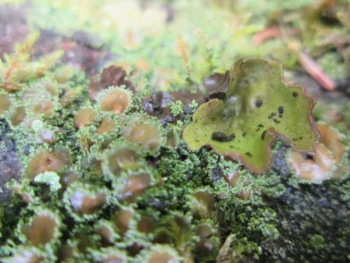
Bowl Lichen: A Fascinating Natural Indicator You Might Find in Your Garden
Have you ever stumbled across small, cup-shaped structures growing on soil or fallen logs in your yard and wondered what they were? You might have discovered bowl lichen (Psoroma hypnorum), a remarkable organism that’s part of North America’s natural heritage. While you can’t plant bowl lichen like you would a flower or shrub, understanding this fascinating species can help you appreciate the complex ecosystem right in your backyard.
What Exactly Is Bowl Lichen?
Bowl lichen isn’t actually a plant at all—it’s a lichen! Lichens are incredible partnerships between fungi and algae (or sometimes cyanobacteria) that work together to create something entirely unique. The bowl lichen gets its common name from its distinctive cup or bowl-shaped fruiting bodies that look like tiny fairy cups scattered across the ground.
Scientifically known as Psoroma hypnorum, this species was previously classified under the synonym Pannaria hypnorum. It’s a native species throughout North America, making it a legitimate part of our continent’s natural flora.
Where You’ll Find Bowl Lichen
Bowl lichen thrives in the cooler regions of North America, particularly in boreal forests and arctic-alpine environments. You’re most likely to spot it in USDA hardiness zones 1-5, where the climate suits its preference for cool, moist conditions and clean air.
Identifying Bowl Lichen in Your Garden
Spotting bowl lichen is easier than you might think once you know what to look for:
- Small, cup or bowl-shaped structures typically 1-5mm across
- Gray-green to brownish coloration
- Found growing on soil, moss, decaying wood, or other organic matter
- Often appears in clusters or scattered groups
- Prefers shaded, humid areas with good air quality
Is Bowl Lichen Beneficial for Your Garden?
While you can’t cultivate bowl lichen like traditional plants, its presence in your garden is actually a wonderful sign! Lichens are extremely sensitive to air pollution, so finding them indicates that your local air quality is good. They also play important ecological roles:
- Help break down organic matter and contribute to soil formation
- Provide habitat for tiny invertebrates
- Serve as indicators of ecosystem health
- Add to the biodiversity of your natural landscape
Creating Lichen-Friendly Conditions
You can’t plant bowl lichen, but you can create conditions that might encourage lichens to establish naturally:
- Maintain areas of undisturbed soil and fallen logs
- Avoid using pesticides or other chemicals that affect air quality
- Preserve shaded, humid microclimates in your yard
- Allow natural organic matter to decompose in place
- Minimize soil disturbance in wild areas of your property
Why Bowl Lichen Matters
Finding bowl lichen in your garden is like discovering a natural quality control inspector! These remarkable organisms remind us that gardening isn’t just about what we plant—it’s about creating healthy ecosystems where native species can thrive. While bowl lichen won’t add colorful blooms to your landscape, it contributes to the intricate web of life that makes truly sustainable gardens possible.
Next time you’re exploring the quieter corners of your yard, take a moment to look for these tiny bowl-shaped treasures. Their presence is a testament to the health of your local environment and a reminder that some of the most fascinating garden residents are the ones that find their way there naturally.