Bowltube Iris: A Hidden Gem for California Native Gardens
If you’re looking for a stunning native perennial that brings both beauty and ecological value to your California garden, let me introduce you to the bowltube iris (Iris macrosiphon). This charming native wildflower might not be as famous as its bearded cousins, but it deserves a spot in every Golden State gardener’s heart—and landscape.
What Makes Bowltube Iris Special
The bowltube iris is a true California native, found nowhere else in the world except within our state’s coastal ranges and foothills. As a perennial forb, this plant returns year after year, forming attractive clumps of narrow, sword-like foliage that provide structure even when the plant isn’t in bloom.
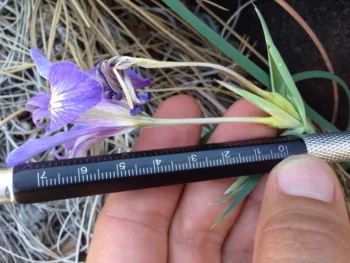
What really sets this iris apart are its distinctive flowers. The blue-purple blooms feature intricate veining and bright yellow signals on the falls that seem to glow in dappled sunlight. The flowers typically measure 2-4 inches across and get their bowltube name from their unusually long floral tubes—a unique characteristic that makes them easily recognizable.
Where You’ll Find It Growing Wild
Bowltube iris calls California home, specifically the coastal ranges and foothills stretching from Monterey County up to Humboldt County. You might spot it growing naturally in woodland clearings, grassy slopes, and chaparral communities throughout this region.
- Species observed
- No observations
Why Your Garden (and Local Wildlife) Will Love It
This native beauty isn’t just a pretty face—it’s a hardworking member of the garden ecosystem. The nectar-rich flowers attract a variety of native pollinators, including:
- Native bees that have co-evolved with California’s wildflowers
- Butterflies seeking early spring nectar sources
- Other beneficial insects that support garden health
As a drought-tolerant native, bowltube iris also helps create sustainable landscapes that require less water and maintenance once established. It’s like getting a beautiful garden and helping the environment at the same time—what’s not to love?
Perfect Garden Companions
Bowltube iris shines in several garden settings:
- California native plant gardens: Pairs beautifully with other natives like ceanothus, manzanita, and native grasses
- Mediterranean-style landscapes: Fits perfectly with the drought-tolerant, naturalistic aesthetic
- Woodland gardens: Thrives in the dappled light beneath oaks and other native trees
- Naturalized areas: Excellent for creating low-maintenance wildflower meadows
Growing Your Own Bowltube Iris
The good news? This native is relatively easy to grow if you can meet its basic needs. Here’s what you need to know:
Climate and Hardiness
Bowltube iris thrives in USDA zones 8-10, making it perfect for most of California’s climate regions. It’s adapted to our Mediterranean climate with wet winters and dry summers.
Site Selection and Soil
Choose a location with:
- Well-draining soil (clay or sandy soils work fine as long as they drain well)
- Partial shade to full sun exposure
- Protection from harsh afternoon sun in hotter inland areas
Planting Tips
Fall is the ideal time to plant bowltube iris, giving the roots time to establish before the growing season. Plant rhizomes just below the soil surface and space them about 12-18 inches apart for a natural look.
Care and Maintenance
Once established, bowltube iris is refreshingly low-maintenance:
- First year: Water regularly to help establishment
- Mature plants: Reduce watering significantly—they prefer our natural dry summers
- Dormancy: Don’t panic when foliage dies back in summer; this is natural
- Division: Divide overcrowded clumps every 3-4 years after flowering
A Few Things to Keep in Mind
Like many California natives, bowltube iris goes dormant during our hot, dry summers. This means the foliage will die back, leaving just the underground rhizomes waiting for fall rains. Plan your garden design with this seasonal dormancy in mind—perhaps planting summer-blooming companions nearby to maintain interest.
Also, while this iris is drought-tolerant once established, it still appreciates some winter moisture. If you’re in an area with very dry winters, occasional deep watering can help keep your plants healthy.
The Bottom Line
Bowltube iris offers California gardeners the perfect combination of stunning beauty, ecological value, and low-maintenance charm. Whether you’re creating a native plant showcase or simply want to add some authentic California character to your landscape, this distinctive native iris delivers on all fronts. Plus, you’ll have the satisfaction of knowing you’re supporting local wildlife and preserving a piece of California’s natural heritage right in your own backyard.