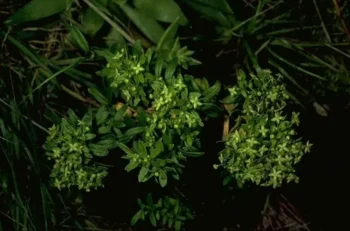
Box Bedstraw: A Rare Island Treasure Worth Protecting
Meet box bedstraw (Galium buxifolium), one of California’s most precious and endangered native plants. This tiny perennial shrub might not win any flashy garden contests, but it holds a special place in the hearts of conservation-minded gardeners and native plant enthusiasts who understand that sometimes the smallest plants carry the biggest stories.
What Makes Box Bedstraw Special?
Box bedstraw is a low-growing perennial shrub that typically stays under 1.5 feet tall, though it can occasionally reach up to 3 feet in perfect conditions. Don’t let its modest size fool you – this little plant is a true California original, native to the lower 48 states and specifically found in California.
The plant gets its common name from its distinctive small, box-like leaves that arrange themselves in neat whorls around the stems. During blooming season, it produces clusters of tiny white flowers that may be small individually but create a delicate, almost ethereal effect when viewed together.
A Plant on the Brink
Here’s where things get serious: Box bedstraw has a Global Conservation Status of S1, meaning it’s critically imperiled. In the United States, it’s classified as Endangered. This isn’t a plant you’ll find at your local nursery – it’s one of nature’s rare gems that exists in only 5 or fewer locations with very few remaining individuals (fewer than 1,000 plants total).
The species is endemic to California’s Channel Islands, particularly Santa Catalina Island, where it has evolved to thrive in very specific coastal conditions that are increasingly rare and threatened.
- Species observed
- No observations
Should You Grow Box Bedstraw?
The short answer is: only if you’re deeply committed to conservation and can source it responsibly. This isn’t a casual garden addition – it’s a conservation project. If you’re considering growing box bedstraw, you should:
- Only obtain plants or seeds from reputable native plant societies or conservation organizations
- Never collect from wild populations
- Be prepared for specialized care requirements
- Consider participating in conservation seed banking or propagation programs
Growing Conditions and Care
Box bedstraw is adapted to very specific conditions that mirror its island home:
- Climate: USDA Hardiness Zones 9-11, specifically coastal California conditions
- Soil: Excellent drainage is absolutely critical – think rocky, sandy, or gravelly soils
- Water: Drought-tolerant once established, mimicking Mediterranean climate patterns
- Light: Full sun to partial shade
- Garden style: Best suited for rock gardens, native plant collections, or specialized conservation plantings
Benefits to Wildlife
Despite its small flowers, box bedstraw serves as a valuable resource for tiny native pollinators, including small native bees and other diminutive insects that often get overlooked in garden planning. Every endangered native plant plays a role in supporting the intricate web of native wildlife relationships.
The Bottom Line
Box bedstraw represents something bigger than just a garden plant – it’s a symbol of California’s unique island ecosystems and the importance of plant conservation. While most gardeners should focus on more readily available native alternatives, those with the knowledge, commitment, and proper sourcing can contribute to this species’ survival.
If you’re inspired by box bedstraw but want something more accessible, consider other native California Galium species or low-growing native shrubs that can provide similar ecological benefits without the conservation concerns. Sometimes the best way to honor rare plants like box bedstraw is to create habitat for the more common natives that support the same ecosystems.
Remember: every native plant we grow, whether rare or common, is a small act of environmental stewardship. Box bedstraw just happens to make that stewardship feel a little more urgent and a lot more precious.