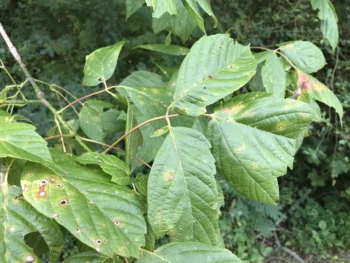
Boxelder: The Misunderstood Native Tree That Deserves a Second Look
If you’ve ever heard someone complain about a junk tree in their yard, they might have been talking about boxelder. This fast-growing native has gotten a bad rap over the years, but before you write it off completely, let’s take a closer look at what this North American original has to offer your landscape.
Meet the Boxelder
Boxelder (Acer negundo var. negundo) is actually a maple tree, believe it or not! Unlike its more famous cousins with their classic maple leaves, boxelder sports compound leaves that look more like those of an ash tree. This unique characteristic has earned it the scientific synonyms Negundo aceroides and Negundo negundo, reflecting early botanists’ confusion about where exactly this tree belonged in the plant family tree.
As a perennial woody tree, boxelder typically grows as a single-trunked specimen reaching heights greater than 13-16 feet, though environmental conditions can sometimes result in a multi-stemmed growth form.
Where Boxelder Calls Home
This adaptable native tree has one of the widest distributions of any North American tree species. Boxelder is native to both Canada and the lower 48 states, thriving from Alberta to Florida and from Maine to Oregon. You’ll find it growing naturally in states including Alabama, Arkansas, Colorado, Illinois, Kansas, Michigan, Minnesota, Missouri, Nebraska, North Dakota, Oklahoma, South Dakota, Texas, and many others across the continent.
- Species observed
- No observations
The Case for Planting Boxelder
Before you dismiss boxelder as a weed tree, consider these benefits:
- Lightning-fast growth: Need shade quickly? Boxelder is your friend, growing several feet per year
- Incredibly adaptable: This tree thrives in USDA hardiness zones 2-9, tolerating everything from drought to occasional flooding
- Pollinator support: Early spring flowers provide crucial nectar when few other trees are blooming
- Wildlife value: Seeds feed birds, and the tree provides nesting sites
- Low maintenance: Once established, boxelder pretty much takes care of itself
The Reality Check
Let’s be honest – boxelder isn’t going to win any beauty contests. Here’s what you should know:
- It’s a messy tree, dropping seeds, twigs, and leaves regularly
- The wood is soft and branches can break in storms
- It self-seeds readily, which some consider weedy behavior
- Fall color is modest yellow, nothing spectacular
- Boxelder bugs often congregate on female trees
Growing Boxelder Successfully
If you decide boxelder fits your landscape needs, you’ll find it remarkably easy to grow:
Ideal Growing Conditions
- Light: Full sun to partial shade
- Soil: Adaptable to most soil types, from wet to dry
- Water: Drought tolerant once established, but appreciates regular moisture
- Space: Can reach 30-50 feet tall and wide, so give it room
Planting and Care Tips
- Plant in spring or fall when temperatures are moderate
- Water regularly the first year to help establish roots
- Prune in late fall or winter to avoid attracting insects to fresh cuts
- Consider removing lower branches to create a cleaner trunk line
- Be prepared to manage volunteer seedlings if you don’t want them spreading
Perfect Placement
Boxelder works best in informal, naturalistic landscapes where its casual growth habit fits the design. Consider it for:
- Large properties where you need quick screening
- Restoration projects or wildlife habitat gardens
- Areas with challenging growing conditions
- Temporary shade while slower-growing trees establish
- Stream banks or erosion-prone slopes
The Bottom Line
Boxelder may not be the most glamorous tree in the forest, but it serves important ecological functions and can be useful in the right landscape situation. If you’re looking for a formal, pristine specimen tree, look elsewhere. But if you need fast-growing native shade for a challenging site, or you’re creating habitat for wildlife, boxelder deserves consideration.
Remember, every native plant has its place in the ecosystem. Sometimes the humble, hardworking species like boxelder are exactly what your landscape needs – even if they’ll never make it onto a garden magazine cover!