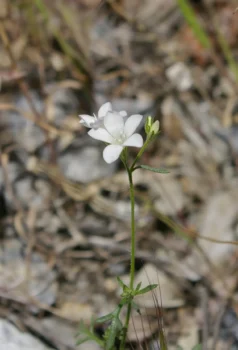
Boyden Cave Gilia: A Rare California Native You Shouldn’t Plant
Meet Boyden Cave gilia (Gilia yorkii), a tiny annual wildflower that’s so rare, most gardeners will never see one in person. While we usually love to encourage planting native species, this particular California native comes with a big please don’t attached to it.
What Makes This Plant So Special (and Off-Limits)?
Boyden Cave gilia isn’t just uncommon—it’s critically imperiled. With a Global Conservation Status of S1, this little forb is hanging on by a thread in the wild. Scientists estimate there are fewer than 1,000 individual plants remaining, scattered across just five or fewer locations. That’s rarer than finding a four-leaf clover in your backyard!
Where Does It Call Home?
This elusive annual is a true California endemic, meaning you won’t find it growing wild anywhere else on Earth. Its extremely limited range makes it one of the Golden State’s botanical treasures—and one of its most vulnerable.
- Species observed
- No observations
Why You Shouldn’t Plant It (Even If You Could)
Here’s the thing about critically imperiled plants: they belong in conservation programs, not in our gardens. Even if you somehow stumbled across seeds or plants, growing Boyden Cave gilia would be:
- Potentially harmful to wild populations if sourced irresponsibly
- Likely to fail, since we don’t understand its specific growing requirements
- Taking resources away from conservation efforts where they’re desperately needed
What We Know (And Don’t Know) About Growing Conditions
As an annual forb, Boyden Cave gilia completes its entire life cycle in one growing season. Beyond that basic fact, the specific growing conditions, soil preferences, and care requirements remain largely unknown. This knowledge gap is partly why conservation efforts are so challenging—and why home cultivation isn’t recommended.
Better Alternatives for Your Native Garden
Instead of seeking out this rare gem, consider these more common and garden-friendly California native Gilia species:
- Bird’s-eye gilia (Gilia tricolor) – stunning blue and white flowers
- Globe gilia (Gilia capitata) – cheerful blue pom-pom blooms
- Scarlet gilia (Ipomopsis aggregata) – brilliant red tubular flowers loved by hummingbirds
These alternatives will give you the beauty of native gilias while supporting conservation efforts and providing reliable garden performance.
How You Can Help
While you can’t grow Boyden Cave gilia in your garden, you can still make a difference:
- Support organizations working on California native plant conservation
- Choose other native plants for your landscape
- Spread awareness about rare plant conservation
- Respect natural areas where rare plants might be growing
Sometimes the best way to love a plant is to leave it alone. Boyden Cave gilia serves as a reminder that our native flora includes species so rare and special that they’re best admired from afar while we work to ensure their survival for future generations.