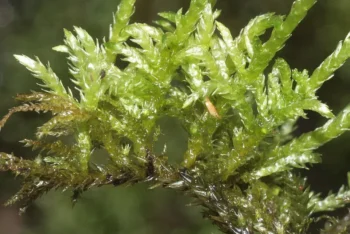
Brachythecium Moss: A Native Treasure for Shady, Wet Gardens
If you’ve ever wandered through a damp woodland and noticed carpet-like patches of vibrant green covering rocks, logs, or stream banks, you might have encountered brachythecium moss (Brachythecium rivulare). This charming native moss brings a touch of forest magic to gardens, especially those blessed with shade and moisture.
What Exactly Is Brachythecium Moss?
Brachythecium rivulare is a terrestrial moss native to North America, specifically found in New Jersey and New York. Like other mosses, it’s a non-flowering plant that reproduces through spores rather than seeds. The botanical world knows it by several scientific variations, including Brachythecium rivulare var. cataractarum and var. lamoillense, but they’re all part of the same delightful moss family.
This moss is what botanists call a bryophyte – a group that includes mosses, hornworts, and liverworts. These ancient plants are often found attached to solid surfaces like rocks, fallen logs, or tree bark rather than growing directly in soil.
Where You’ll Find This Native Beauty
Brachythecium moss calls the northeastern United States home, with documented populations in New Jersey and New York. It thrives in the cool, moist conditions typical of this region’s woodlands and stream-side environments.
- Species observed
- No observations
Is Brachythecium Moss Beneficial for Your Garden?
Absolutely! This native moss offers several wonderful benefits for the right garden setting:
- Natural ground cover: Creates beautiful, soft carpets in areas where grass struggles to grow
- Erosion control: Helps stabilize soil on slopes and near water features
- Low maintenance: Once established, requires virtually no care
- Habitat creation: Provides shelter for tiny beneficial creatures like springtails and other soil organisms
- Moisture retention: Acts like a natural sponge, helping maintain soil moisture
Perfect Garden Settings
Brachythecium moss shines in specific garden environments:
- Woodland gardens with dappled shade
- Areas around water features, streams, or ponds
- Rock gardens with consistent moisture
- Shaded pathways where traditional grass won’t grow
- Native plant gardens emphasizing local flora
How to Identify Brachythecium Moss
Recognizing this moss in the wild (or in your garden) is easier than you might think:
- Growth pattern: Forms dense, feathery mats that spread across surfaces
- Color: Bright to medium green, especially vibrant when moist
- Texture: Soft and cushiony with a branching, almost fern-like appearance
- Habitat preference: Look for it in consistently moist, shaded areas
- Surface attachment: Often grows on rocks, logs, or other solid surfaces rather than loose soil
Creating the Right Conditions
While you can’t exactly plant moss like traditional garden plants, you can certainly encourage its natural establishment:
- Shade is essential: Brachythecium moss prefers partial to full shade
- Keep it moist: Consistent moisture is crucial – think forest floor conditions
- Provide suitable surfaces: Rocks, logs, or compacted soil work well
- Be patient: Moss establishes slowly but surely when conditions are right
- Avoid chemicals: Skip fertilizers and pesticides, which can harm delicate moss growth
The Bottom Line
Brachythecium moss might not be the showiest plant in your garden, but it’s certainly one of the most practical and environmentally friendly. For gardeners in the Northeast dealing with challenging shady, moist areas, this native moss can transform problem spots into enchanting green carpets that require virtually no maintenance once established.
Rather than fighting against your garden’s natural conditions, embrace them by welcoming this gentle native that’s been thriving in your region for countless generations. Your garden – and the local ecosystem – will thank you for it.