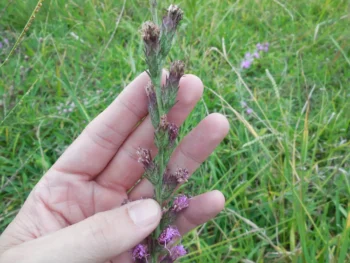
Bracted Blazing Star: A Rare Texas Treasure for Your Native Garden
Meet the bracted blazing star (Liatris bracteata), a stunning native wildflower that’s as exclusive as it is beautiful. This purple-spiked perennial is Texas through and through, making it a perfect choice for Lone Star State gardeners who want to celebrate their local flora. But here’s the catch – this little beauty is quite rare, which makes it both special and something we need to handle with care.
What Makes Bracted Blazing Star Special?
Bracted blazing star is a perennial forb, which is just a fancy way of saying it’s a non-woody flowering plant that comes back year after year. Like other members of the Liatris family, it produces those iconic purple flower spikes that bloom from the top down – nature’s way of putting on a show that lasts for weeks rather than days.
This particular blazing star is native exclusively to Texas, making it a true local celebrity in the plant world. Its rarity status is classified as S2S3, meaning it’s considered imperiled to vulnerable in the wild. That’s botanist-speak for pretty darn rare.
Where Does It Call Home?
The bracted blazing star has a very limited geographical distribution, found only in Texas. This makes it incredibly special for Texas gardeners – you’re literally growing a piece of your state’s natural heritage!
- Species observed
- No observations
Why Plant Bracted Blazing Star in Your Garden?
If you’re lucky enough to live in Texas and can source this plant responsibly, here’s why it deserves a spot in your garden:
- Pollinator magnet: Those purple spikes are like neon signs for butterflies, bees, and other beneficial insects
- Low maintenance: Once established, it’s quite drought tolerant – perfect for Texas conditions
- Authentic native appeal: You’re supporting local ecosystems and preserving genetic diversity
- Unique garden feature: Not many gardeners can say they’re growing something this rare and special
- Prairie garden perfect: Ideal for wildflower gardens, xeriscapes, and native plant landscapes
Growing Conditions and Care
Bracted blazing star thrives in USDA hardiness zones 8-9, which aligns perfectly with its Texas heritage. Here’s what this rare beauty needs to flourish:
- Sunlight: Full sun is best – at least 6-8 hours of direct sunlight daily
- Soil: Well-draining soil is crucial; it doesn’t like wet feet
- Water: Drought tolerant once established, but appreciates regular water during its first growing season
- Maintenance: Minimal care required – just deadhead spent flowers to encourage more blooms
Important Note About Sourcing
Here’s where we need to have a serious chat. Because bracted blazing star is rare in the wild, it’s absolutely crucial that you only obtain plants or seeds from reputable nurseries that ethically propagate their stock. Never collect from wild populations – that would be like taking books from the last library! Look for nurseries that specialize in native Texas plants and can verify their propagation methods.
Garden Design Ideas
This charming wildflower works beautifully in:
- Native Texas wildflower gardens
- Prairie restoration projects
- Xeriscaped landscapes
- Pollinator gardens
- Mixed perennial borders with other native Texas plants
The Bottom Line
Bracted blazing star is like finding a rare gem – beautiful, valuable, and deserving of respect. If you’re a Texas gardener passionate about native plants and can source it responsibly, this rare blazing star could be the crown jewel of your native garden. Just remember: with great rarity comes great responsibility. By growing this special plant ethically, you’re not just creating a beautiful garden – you’re helping preserve a piece of Texas’s natural heritage for future generations.
Happy gardening, and remember – sometimes the rarest flowers make the most meaningful additions to our gardens!