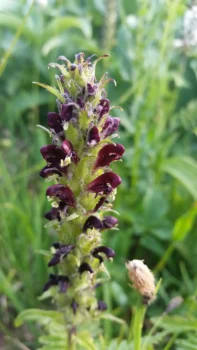
Bracted Lousewort: A Rare Native Gem for Pacific Northwest Gardens
Meet the bracted lousewort (Pedicularis bracteosa var. atrosanguinea), a fascinating native perennial that’s as unique as its quirky name suggests. While lousewort might not sound particularly appealing, don’t let the name fool you – this plant has nothing to do with lice! The unusual moniker comes from an old folk belief that livestock grazing on these plants would develop lice, though there’s no scientific basis for this claim.
What Makes Bracted Lousewort Special?
This particular variety of bracted lousewort is a true Pacific Northwest native, currently documented only in Washington state. As a herbaceous perennial forb, it lacks woody stems but returns year after year from its root system. What makes this plant particularly intriguing is its status as a native species that’s perfectly adapted to local growing conditions.
Where Does It Grow?
Bracted lousewort is native to Washington state, making it a true regional specialty for Pacific Northwest gardeners. Its limited geographic distribution makes it a rare find in the gardening world.
- Species observed
- No observations
Should You Plant Bracted Lousewort?
Here’s where things get interesting – and a bit challenging. While this native plant would theoretically be a wonderful addition to a Pacific Northwest native garden, there are some important considerations:
- Rarity factor: This variety appears to be quite rare, with limited distribution
- Limited availability: You’re unlikely to find this plant at your local nursery
- Specialized needs: Like many native plants, it likely has specific growing requirements
- Conservation concerns: Its limited range suggests it may need protection rather than cultivation
Growing Conditions and Care
Unfortunately, specific growing information for this particular variety is limited. However, if you’re determined to grow native louseworts, here’s what we generally know about the plant family:
- These plants are often semi-parasitic, meaning they may depend on other plants for some nutrients
- They typically prefer cooler, moist conditions
- Mountain and subalpine environments are their natural habitat
- They can be challenging to establish in typical garden settings
The Responsible Gardener’s Approach
If you’re interested in adding this rare native to your garden, proceed with caution and conscience. Only source plants from reputable native plant nurseries that can verify their plants weren’t collected from wild populations. Better yet, consider supporting conservation efforts for this species instead.
For gardeners wanting to support native pollinators and wildlife with easier-to-grow alternatives, consider other Pacific Northwest natives like:
- Native sedums
- Western columbine
- Pacific bleeding heart
- Native asters and goldenrods
The Bottom Line
Bracted lousewort represents the fascinating diversity of our native plant communities, but it’s not your typical garden center find. Its rarity and specialized needs make it more of a conservation concern than a garden staple. For most gardeners, appreciating this plant in its natural habitat while choosing more readily available natives for home landscapes is the most responsible approach.
If you do encounter this plant in the wild, take a moment to appreciate its uniqueness – you’re looking at a true regional endemic that calls the Pacific Northwest home.