Bradley’s Spleenwort: A Rare Native Fern for the Adventurous Gardener
If you’re the type of gardener who gets excited about finding hidden gems in the plant world, let me introduce you to Bradley’s spleenwort (Asplenium bradleyi). This little-known native fern might just be the perfect addition to your rock garden – if you can find it responsibly, that is.
What Exactly Is Bradley’s Spleenwort?
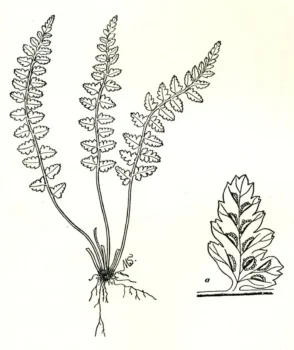
Bradley’s spleenwort is a small, perennial fern that’s native to the eastern United States. Unlike its more common cousins that sprawl across forest floors, this particular spleenwort has a thing for tight spaces – think rock crevices and cliff faces. It’s got distinctive triangular fronds that give it a delicate, almost lacy appearance that’s quite charming once you spot it.
You might occasionally see it listed under the synonym Asplenium ×stotleri, but don’t let that confuse you – we’re talking about the same plant.
Where Does It Call Home?
This native beauty has quite an impressive range across the lower 48 states, growing naturally in Alabama, Arkansas, Georgia, Illinois, Indiana, Kentucky, Louisiana, Maryland, Missouri, New Jersey, New York, North Carolina, Ohio, Oklahoma, Pennsylvania, South Carolina, Tennessee, Virginia, and West Virginia. That’s a lot of ground for such a specialized little fern!
- Species observed
- No observations
The Rarity Reality Check
Here’s where things get serious: Bradley’s spleenwort is considered rare in several states. In Alabama, it holds an S2 status, meaning it’s imperiled. In New Jersey, it’s even more precarious with an S1 rating and full endangered species protection, including special protections in the Pinelands and Highlands regions.
What does this mean for you as a gardener? If you’re interested in growing this fern, you absolutely must source it responsibly from reputable nurseries that propagate their own plants rather than collecting from wild populations.
Why Grow Bradley’s Spleenwort?
Despite its rarity challenges, there are some compelling reasons to consider this fern:
- Native plant gardening: It’s a true native that supports local ecosystems
- Unique aesthetic: Those triangular fronds add textural interest to rock gardens
- Conversation starter: Your gardening friends will be impressed by this unusual specimen
- Low maintenance: Once established in the right conditions, it’s relatively care-free
Perfect Garden Situations
Bradley’s spleenwort isn’t your typical border plant. It shines in:
- Rock gardens with acidic soil
- Crevice gardens between stones
- Woodland gardens with rocky features
- Native plant collections
- Specialized fern gardens
Growing Conditions That Make It Happy
This fern is a bit particular about its living situation, but once you understand its needs, success follows:
- Light: Partial to full shade (it’s not a sun worshipper)
- Soil: Well-draining, acidic soil is essential – think rocky or sandy substrates
- Drainage: Excellent drainage is non-negotiable; soggy feet will kill it
- Climate: Hardy in USDA zones 4-8
Planting and Care Tips
Getting Bradley’s spleenwort established requires a gentle touch:
- Site selection: Choose a spot that mimics its natural habitat – rocky crevices or well-draining slopes
- Soil preparation: Amend heavy soils with coarse sand and small stones to improve drainage
- Watering: Water regularly during establishment, then reduce to occasional deep watering
- Fertilization: Skip the fertilizer – this fern prefers lean conditions
- Patience: Growth is slow but steady; don’t expect instant gratification
Wildlife and Pollinator Considerations
Since Bradley’s spleenwort is a fern, it doesn’t produce flowers and therefore doesn’t directly support pollinators. However, it does contribute to the overall biodiversity of native plant communities and provides habitat structure for small creatures in rock garden ecosystems.
The Bottom Line
Bradley’s spleenwort is definitely a plant for the specialized gardener rather than someone looking for easy, abundant groundcover. Its rarity means you’ll need to be extra responsible about sourcing, and its specific growing requirements mean you’ll need to create the right microhabitat.
But if you’re up for the challenge and can source it responsibly, this native fern offers a unique addition to rock gardens and woodland landscapes. Just remember – with rarity comes responsibility. Make sure any plants you acquire are nursery-propagated, never wild-collected, to help preserve wild populations for future generations.