Bradshaw’s Desertparsley: A Rare Pacific Northwest Treasure Worth Protecting
Meet one of the Pacific Northwest’s most endangered botanical treasures: Bradshaw’s desertparsley (Lomatium bradshawii). This delicate native wildflower might not have the flashiest name, but it’s got quite the conservation story to tell. Before we dive into growing this special plant, there’s something important you need to know.
A Plant on the Brink
Bradshaw’s desertparsley is officially listed as Endangered in the United States, with a Global Conservation Status of S2 (Imperiled). This means there are typically only 6 to 20 known populations remaining, with roughly 1,000 to 3,000 individual plants left in the wild. If you’re considering adding this plant to your garden, it’s crucial to source it only from reputable native plant nurseries that propagate from ethically collected seeds – never collect from wild populations.
Where This Rare Beauty Calls Home
This perennial forb is native to a surprisingly small area: just Oregon and Washington, primarily in the Willamette Valley region. Its limited range is part of what makes it so vulnerable to extinction.
- Species observed
- No observations
What Does Bradshaw’s Desertparsley Look Like?
Don’t let the name fool you – this isn’t a desert plant at all! Bradshaw’s desertparsley is actually a member of the carrot family (Apiaceae) and looks the part. Here’s what to expect:
- Height: 1-3 feet tall when mature
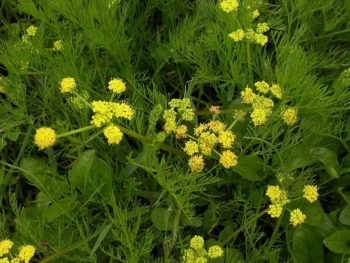
- Leaves: Finely divided, fernlike foliage
- Flowers: Small white to cream-colored blooms arranged in umbrella-shaped clusters (umbels)
- Growth habit: Herbaceous perennial that dies back in winter
The delicate, lacy appearance makes it a lovely addition to native plant gardens, though you’ll need patience as it’s not a fast grower.
Growing Conditions: It’s All About the Water
Here’s where things get interesting – this desertparsley actually loves water! Bradshaw’s desertparsley is classified as a Facultative Wetland plant, meaning it usually grows in wetlands but can tolerate some drier conditions.
Ideal growing conditions include:
- USDA Hardiness Zones: 8-9
- Soil: Moist to wet soils that may flood seasonally
- Light: Full sun to partial shade
- Water: Consistent moisture, tolerates seasonal flooding
Perfect for Special Garden Types
Given its unique needs and conservation status, Bradshaw’s desertparsley isn’t for every garden. It’s ideal for:
- Native plant gardens focused on Pacific Northwest species
- Rain gardens and bioswales
- Wetland restoration projects
- Conservation gardens
- Naturalized areas near seasonal water features
Planting and Care Tips
If you’ve sourced responsibly propagated plants or seeds, here’s how to give them the best chance:
- Plant in fall for spring emergence
- Ensure consistent soil moisture, especially during growing season
- Allow natural winter dormancy period
- Avoid fertilizers – these plants are adapted to relatively poor soils
- Be patient – establishment can take 2-3 years
- Consider companion planting with other native wetland species
Supporting Pollinators and Wildlife
Like other members of the carrot family, Bradshaw’s desertparsley provides valuable nectar and pollen for native bees, beneficial insects, and other pollinators. The umbrella-shaped flower clusters are particularly attractive to smaller native bees and flies that specialize in visiting native plants.
The Bottom Line
Bradshaw’s desertparsley is a plant for committed conservation gardeners who want to help preserve Pacific Northwest biodiversity. While it’s not the easiest plant to grow or find, successfully cultivating this endangered species in appropriate garden settings can contribute to its long-term survival.
If your garden has the right wet conditions and you’re willing to source plants responsibly, growing Bradshaw’s desertparsley can be a meaningful way to participate in plant conservation. Just remember – with great rarity comes great responsibility!