Brady’s Pincushion Cactus: A Rare Desert Gem You Probably Shouldn’t Grow
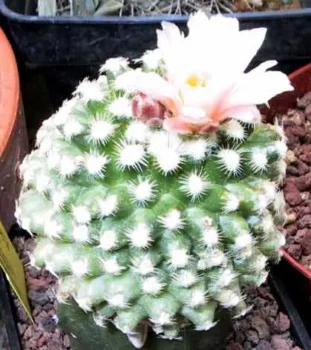
Meet Brady’s pincushion cactus (Pediocactus bradyi), one of North America’s rarest and most endangered cacti. This tiny desert jewel might look adorable with its compact, globe-like form and cheerful pink flowers, but before you start dreaming of adding one to your rock garden, there’s something crucial you need to know.
What Makes Brady’s Pincushion Cactus Special
Also known as Brady’s hedgehog cactus or Marble Canyon cactus, this petite perennial is a true survivor. Growing as a small, multi-stemmed shrub that rarely exceeds a few inches in height, it’s perfectly adapted to one of the harshest environments in the American Southwest.
In spring, this little cactus puts on quite a show, producing vibrant pink to magenta flowers that seem almost too large for its compact body. These blooms aren’t just pretty – they’re magnets for native bees and other small pollinators who have co-evolved with this remarkable plant.
Where It Calls Home
Here’s where things get serious: Brady’s pincushion cactus is found in only one place on Earth – the Marble Canyon area of northern Arizona. We’re talking about an incredibly tiny geographic range that makes this cactus one of the most location-specific plants in North America.
- Species observed
- No observations
The Rarity Reality Check
Important conservation alert: Pediocactus bradyi has a Global Conservation Status of S1, meaning it’s critically imperiled with typically fewer than 5 occurrences and fewer than 1,000 individual plants remaining in the wild. It’s also listed as Endangered under federal protection.
What does this mean for gardeners? Simply put, this isn’t a plant you can or should casually add to your collection. Any cultivation attempts should only be done with properly sourced, legally obtained specimens and appropriate permits.
Growing Conditions (For the Extremely Dedicated)
If you’re a serious cactus conservationist with the proper credentials, Brady’s pincushion cactus thrives in:
- USDA hardiness zones 6-9
- Extremely well-draining, limestone-rich soil
- Full sun exposure
- Minimal water (this plant is adapted to near-desert conditions)
- Protection from excessive moisture and humidity
However, even experienced cactus growers find this species notoriously difficult to cultivate successfully outside its natural habitat.
Better Alternatives for Your Garden
Instead of risking harm to wild populations, consider these native alternatives that offer similar aesthetic appeal:
- Escobaria vivipara (Spinystar) – widely distributed and easier to grow
- Echinocereus species – beautiful flowering hedgehog cacti
- Opuntia species native to your region
How You Can Help
The best way to appreciate Brady’s pincushion cactus is to support its conservation in the wild. Consider donating to organizations working to protect its habitat, and if you’re ever lucky enough to visit Marble Canyon, observe from a respectful distance and leave no trace.
Remember, sometimes the most loving thing we can do for a rare plant is to let it be wild and work to protect the places where it naturally thrives. Brady’s pincushion cactus is a reminder that not every beautiful plant needs to be in our gardens – some are meant to remain wild treasures for future generations to discover and protect.