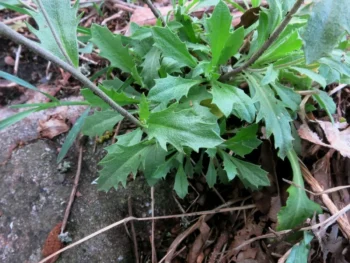
Branched Draba: A Hidden Gem for Native Plant Enthusiasts
If you’re on the hunt for a truly unique native wildflower that most gardeners have never heard of, let me introduce you to branched draba (Draba ramosissima). This petite perennial is like the botanical equivalent of a well-kept secret – small in stature but big on charm for those who appreciate the subtle beauty of native plants.
What Makes Branched Draba Special?
Branched draba is a native herbaceous perennial that belongs to the mustard family. Don’t let its diminutive size fool you – this little powerhouse has been quietly thriving in the Appalachian regions for centuries. As a forb (that’s botanist-speak for a non-woody flowering plant), it forms low-growing rosettes that produce delicate clusters of tiny white flowers in early spring.
Where You’ll Find This Native Treasure
This Appalachian native calls the eastern United States home, specifically Kentucky, Maryland, North Carolina, Tennessee, Virginia, and West Virginia. It’s perfectly adapted to the rocky, well-drained soils and varied light conditions of mountainous regions.
- Species observed
- No observations
A Word About Rarity
Important note for conscientious gardeners: Branched draba has a rarity status of S1 in Alabama, meaning it’s critically imperiled in that state. If you’re interested in growing this native gem, please ensure you source it only from reputable native plant nurseries that propagate their own stock rather than wild-collecting. Never harvest from wild populations!
Why Consider Branched Draba for Your Garden?
Here’s why this unassuming native might deserve a spot in your landscape:
- Early season interest: Those tiny white flowers appear in early spring when most other plants are still sleeping
- Native credentials: Supporting local ecosystems by choosing indigenous plants
- Low maintenance: Once established, it’s quite self-sufficient
- Pollinator support: Early flowers provide nectar for emerging pollinators
- Conversation starter: Impress fellow native plant enthusiasts with this botanical rarity
Perfect Garden Settings
Branched draba isn’t your typical border plant – it’s more of a specialist for specific garden situations:
- Rock gardens where its small size won’t get lost
- Alpine or mountainous-themed landscapes
- Native plant collections
- Naturalized areas with well-drained soil
Growing Conditions and Care
The good news? Branched draba isn’t fussy once you understand its preferences:
Hardiness: Thrives in USDA zones 5-8, making it suitable for much of the temperate United States.
Soil requirements: Well-drained soil is non-negotiable. Rocky, sandy, or gravelly soils that might challenge other plants are perfect for this mountain native.
Light needs: Adaptable to partial shade through full sun, though it appreciates some protection from intense afternoon heat in hotter climates.
Water requirements: Drought-tolerant once established. Overwatering is more likely to cause problems than underwatering.
Planting and Care Tips
- Plant in spring or fall when temperatures are moderate
- Ensure excellent drainage – add gravel or coarse sand to heavy soils
- Space plants according to their mature spread (typically 6-12 inches)
- Water during establishment, then reduce to occasional deep watering
- Avoid fertilizing – rich soils can actually harm this mountain native
- Allow plants to self-seed naturally if you want more
The Bottom Line
Branched draba might not win any flashy flower contests, but for gardeners who appreciate subtle native beauty and want to support regional plant diversity, it’s a wonderful choice. Its early spring blooms, low maintenance requirements, and authentic native credentials make it perfect for specialized garden settings.
Just remember – if you decide to grow this rare beauty, source it responsibly from nurseries that propagate rather than wild-collect. That way, you can enjoy this Appalachian treasure while helping preserve it for future generations of both gardeners and wildlife.