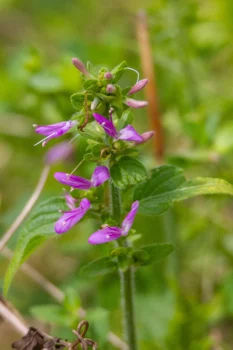
Branched Foldwing: A Charming Native Wildflower for Your Garden
If you’re looking for a low-maintenance native plant that brings subtle beauty and wildlife value to your garden, meet the branched foldwing (Dicliptera brachiata). This delightful little wildflower might not be the showiest plant in your garden, but it’s definitely one of the most reliable and eco-friendly choices you can make.
What is Branched Foldwing?
Branched foldwing is a native forb – essentially a soft-stemmed flowering plant without woody tissue. Unlike shrubs or trees, this plant stays herbaceous throughout its life, making it perfect for filling in gaps in your garden beds or creating naturalized areas. It can be either annual or perennial depending on growing conditions, which gives it remarkable adaptability.
Where Does It Call Home?
This all-American beauty is native to a impressive swath of the United States, thriving naturally across the Southeast and south-central regions. You’ll find branched foldwing growing wild in Alabama, Arkansas, Florida, Georgia, Illinois, Indiana, Kansas, Kentucky, Louisiana, Mississippi, Missouri, North Carolina, Oklahoma, South Carolina, Tennessee, Texas, and Virginia.
- Species observed
- No observations
Why Plant Branched Foldwing?
There are several compelling reasons to welcome this native plant into your landscape:
- Pollinator magnet: The small purple-violet tubular flowers are perfectly designed to attract butterflies, bees, and even hummingbirds from summer through fall
- Low maintenance: Once established, it’s remarkably self-sufficient
- Versatile placement: Works beautifully in rain gardens, woodland edges, or naturalized areas
- Native plant benefits: Supports local ecosystems and requires less water and fertilizer than non-native alternatives
- Wetland friendly: Classified as a facultative wetland plant, meaning it’s comfortable in both moist and drier conditions
Growing Conditions and Care
Branched foldwing is refreshingly easy-going about its growing conditions. Here’s what it prefers:
- Sunlight: Partial shade to full sun – it’s quite adaptable
- Soil: Moist, well-drained soils work best, but it tolerates various soil types
- Water: Consistent moisture is appreciated, though it can handle some drought once established
- Climate: Hardy in USDA zones 6-10
Planting and Care Tips
Getting started with branched foldwing is straightforward:
- Plant in spring after the last frost or in early fall
- Space plants according to your desired coverage – they can spread via underground rhizomes
- Water regularly during establishment, then reduce frequency as the plant matures
- Don’t be surprised if it self-seeds – consider this a bonus for expanding your native plant collection
- Minimal fertilization needed – native plants generally prefer lean soils
Garden Design Ideas
Branched foldwing shines in several garden settings:
- Rain gardens: Its facultative wetland status makes it perfect for managing stormwater runoff
- Woodland gardens: Provides gentle groundcover under trees and shrubs
- Native plant gardens: Pairs beautifully with other southeastern natives
- Naturalized areas: Let it spread and create informal drifts for a wild, natural look
The Bottom Line
While branched foldwing might not win any awards for dramatic blooms or architectural presence, it’s exactly the kind of steady, reliable native plant that forms the backbone of a successful wildlife garden. Its subtle charm, pollinator appeal, and low-maintenance nature make it an excellent choice for gardeners who want to support local ecosystems without a lot of fuss.
If you’re building a native plant collection or looking to add some gentle, naturalistic beauty to moist areas of your garden, branched foldwing deserves a spot on your plant wish list. Your local pollinators will definitely thank you!